How to Plan a Trip to Türkiye, Destinations, Culture, and Travel Tips
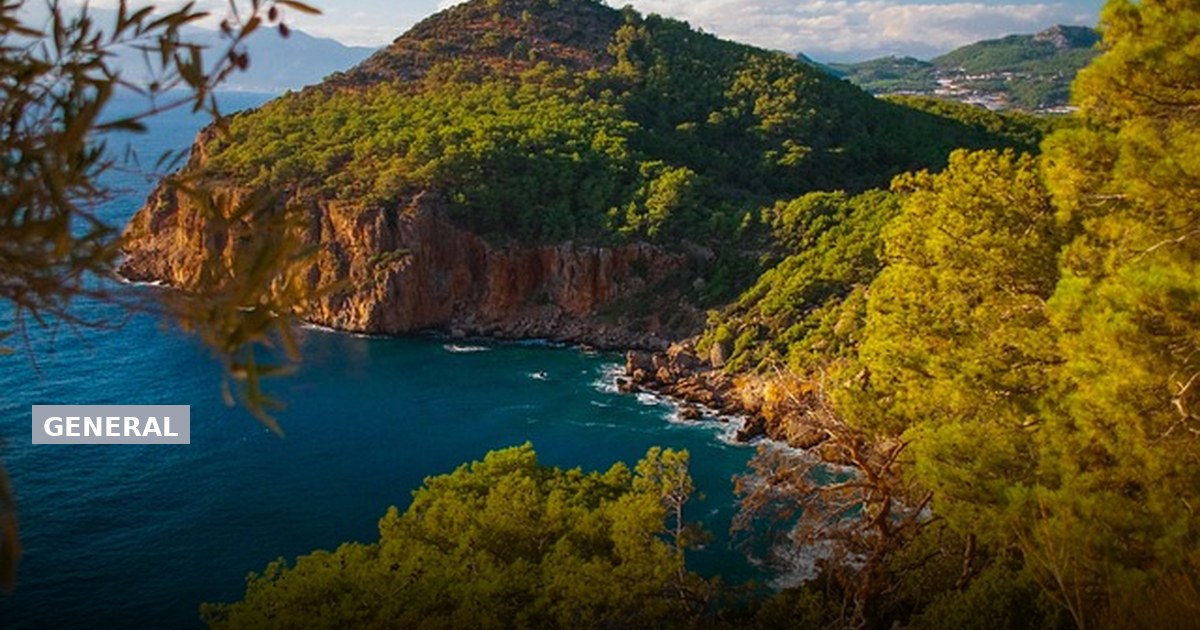
Quick Answer
Planning a trip to Türkiye requires understanding the country's current economic conditions, regional recovery from the 2023 earthquakes, and evolving geopolitical dynamics. As of June 2026, travelers should budget carefully due to high inflation—annual inflation rose to 32.61% in May 2026—and stay informed about which regions are fully operational.
- Apply for e-Visa online before arrival
- Best time to visit: spring (April-May) or autumn (September-October)
- Learn a few Turkish phrases like 'Merhaba' (Hello) and 'Teşekkürler' (Thank you)
Key Facts
- Türkiye's annual inflation rate stood at 32.61% in May 2026, up from 32.37% in April 2026 and down significantly from the 58.51% average annual rate in 2024.
- The 2023 earthquakes affected 9.1 million people, displacing 3 million, and recovery efforts are ongoing as of mid-2026, with the World Bank and IFRC leading rebuilding projects.
- President Erdoğan's AKP government won the May 2023 elections, and Türkiye's foreign policy continues to assert independence from Western powers while maintaining complex relations with Russia and other global actors.
- Key tourist destinations—Istanbul, Cappadocia, Pamukkale, Ephesus, and the Mediterranean coast—are generally safe and operational, but travelers should monitor local advisories for any security or infrastructure issues.
- The Turkish lira has experienced significant depreciation, making travel potentially more affordable for foreign visitors, but prices are rising rapidly due to inflation, so booking in advance and locking in rates is advisable.
Why Türkiye Remains a Top Travel Destination Despite Economic Headwinds
Türkiye has long been a crossroads of civilizations, offering a blend of history, culture, cuisine, and natural beauty that few countries can match. Even with the economic challenges of high inflation and the aftermath of the 2023 earthquakes, the country remains a compelling destination for international travelers in 2026.
Understanding the current context helps travelers plan effectively and avoid surprises.The Appeal of Türkiye's Cultural and Historical Wealth
Türkiye's tourism appeal rests on its unparalleled historical sites. Istanbul alone hosts the Hagia Sophia, Topkapi Palace, the Blue Mosque, and the Grand Bazaar, each representing layers of Byzantine, Ottoman, and modern Turkish history.
Cappadocia's fairy chimneys and underground cities offer a surreal landscape, while the ancient ruins of Ephesus and the terraced pools of Pamukkale attract millions annually. The Mediterranean and Aegean coasts—Antalya, Bodrum, Fethiye, and Marmaris—provide beach vacations with archaeological side trips.Beyond sights, Turkish cuisine is a major draw. From street-side kebabs and simit to elaborate meze spreads and baklava, food culture is central to any visit.The Turkish bath (hamam) experience and the country's famous hospitality add intangible value that no inflation statistic can diminish.How Inflation Affects Travelers on the Ground
The high inflation rate—58.51% average in 2024 and 32.61% in May 2026—creates a mixed bag for tourists. For foreign visitors holding strong currencies like the US dollar, euro, or British pound, the Turkish lira's depreciation can make Türkiye relatively affordable compared to other European destinations.
However, prices in lira terms are rising rapidly, so what seemed cheap a month ago may cost more today. Practical impacts include:- Accommodation costs: Hotels and short-term rentals frequently adjust prices. Booking well in advance and securing non-refundable rates in lira can lock in a lower price before further increases.
- Dining and shopping: Restaurant menus and shop prices may change weekly. Cash remains king in many places, and carrying sufficient lira—or using a credit card with no foreign transaction fees—is wise.
- Transportation: Domestic flights, intercity buses, and taxis are subject to fuel price fluctuations and general inflation. Rideshare apps like BiTaksi and Uber (in select cities) show upfront pricing, which helps avoid surprises.
Which Regions Are Fully Operational in 2026
The 2023 earthquakes devastated regions in southeastern Türkiye, particularly around Kahramanmaraş, Hatay, Adıyaman, and Malatya. As of mid-2026, many of these areas remain in recovery phases.
The World Bank and IFRC continue to support rebuilding of homes and infrastructure. Travelers should not visit these zones for tourism, as services are limited and recovery efforts are ongoing.Safe and well-functioning tourist regions include:- Istanbul and the Marmara region: Fully operational with minor disruptions from occasional aftershocks or weather events.
- Cappadocia (Central Anatolia): Hot air balloon rides, cave hotels, and hiking trails are running normally.
- Aegean coast: Izmir, Ephesus, Pamukkale, and Bodrum are popular and unaffected.
- Mediterranean coast: Antalya, Alanya, and Fethiye remain major beach destinations.
- Black Sea region: Trabzon, Uzungöl, and the Sumela Monastery are accessible but less frequented by international tourists.
Safety and Political Considerations
Türkiye's foreign policy under President Erdoğan has become more assertive since the 2023 elections, with active roles in Syria, Libya, and the Eastern Mediterranean. While this does not directly affect most tourists, travelers should be aware of:
- Regional tensions: Avoid border areas with Syria and Iraq unless absolutely necessary.
- Demonstrations: Political protests occasionally occur in Istanbul and Ankara. Stay away from large gatherings.
- Crime: Petty theft and scams targeting tourists exist in busy areas like Taksim Square and the Grand Bazaar. Exercise standard caution.
The U.S. State Department and UK Foreign Office provide updated travel advisories.
Check these before and during your trip.How the 2023 Earthquake Recovery Shapes Travel Planning Today
The February 2023 earthquakes were among the most devastating in modern Turkish history, affecting 9.1 million people and displacing 3 million. More than 30,000 aftershocks followed in the first three months, and a magnitude 6.0 earthquake struck on October 16, 2024, causing additional damage and casualties.
As of June 2026, recovery is ongoing but uneven.What Tourists Should Know About Affected Areas
The earthquake zone covers a large swath of southeastern Türkiye, including cities like Gaziantep, Şanlıurfa, Diyarbakır, and Mardin—all of which have historical and cultural significance. These cities are not typical tourist hotspots compared to Istanbul or Cappadocia, but they do attract intrepid travelers interested in ancient sites, bazaars, and cuisine.
If you plan to visit these areas:- Check current conditions: Contact local tour operators or your embassy for updates on infrastructure, accommodation, and safety.
- Support recovery efforts: Some NGOs and community projects welcome volunteers or donations. However, ensure you are not inadvertently straining local resources.
- Be respectful: The region experienced massive loss of life and property. Avoid insensitive questions or behavior.
For most travelers, skipping the southeast entirely is the simplest approach. The country's core tourist circuit remains unaffected.
Health and Infrastructure Considerations
The earthquake damaged hospitals, roads, and utilities in the affected region. While major cities have rebuilt some facilities, rural areas may still lack full services.
Tourists should:- Purchase comprehensive travel insurance that covers medical evacuation and trip cancellation.
- Carry a basic medical kit, especially if venturing off the beaten path.
- Confirm hotel reviews from recent guests to ensure advertised amenities (hot water, electricity, Wi-Fi) are functioning.
The Turkish government, alongside international organizations like the World Bank, has prioritized rebuilding. However, the scale of devastation means some areas remain fragile.
Navigating Türkiye's Evolving Geopolitical Landscape as a Tourist
Türkiye's foreign policy has shifted significantly following the 2023 elections, with President Erdoğan's AKP government consolidating power. The country maintains NATO membership but increasingly asserts independence from Western alliances, balancing relations with Russia, China, and Middle Eastern powers.
What This Means for Travelers
- Visa policies: Türkiye offers e-Visas for many nationalities, which remain valid. Check the official e-Visa website for your country's requirements. No major changes have been announced as of mid-2026.
- Air travel: Turkish Airlines and other carriers operate normally. However, geopolitical tensions sometimes affect airspace—for example, conflicts in Syria or Libya could disrupt flights. Monitor airline advisories.
- Border crossings: Land borders with Syria and Iraq are closed or heavily restricted. If you plan to enter Türkiye by land from Greece, Bulgaria, or Georgia, expect standard customs procedures.
Cultural Sensitivity and Local Customs
Türkiye is a secular country with a predominantly Muslim population. While tourist areas are liberal, respect local norms:
- Dress modestly when visiting mosques (cover shoulders and knees).
- Avoid public displays of affection in conservative areas.
- Learn a few Turkish phrases: "Merhaba" (hello), "Teşekkür ederim" (thank you), and "Lütfen" (please) go a long way.
The current government's conservative leanings do not significantly impact tourist behavior, but being culturally aware enhances your experience.
Currency and Payment Tips
The Turkish lira (TRY) is the official currency. Due to inflation, exchange rates fluctuate daily.
As of May 2026, the annual inflation rate was 32.61%, meaning the lira's purchasing power erodes quickly. Best practices:- Exchange money at official bureaus or banks, not on the street.
- Use credit cards with no foreign transaction fees. Visa and Mastercard are widely accepted.
- Carry cash for small purchases, taxis, and tips.
- Avoid dynamic currency conversion (paying in your home currency at POS terminals)—always choose to pay in lira.
Seasonal and Event Planning
Türkiye's peak tourist season runs from April to October, with July and August being the hottest and busiest. Spring (April-May) and autumn (September-October) offer milder weather and fewer crowds.
Winter is ideal for skiing in Uludağ or visiting Istanbul without the summer rush. Major events to consider:- Istanbul Music Festival (June-July)
- Cappadocia Balloon Festival (July)
- Antalya Film Festival (October)
- Whirling Dervish performances in Konya (December)
Book accommodations and flights early, as prices rise closer to departure.
Frequently Asked Questions
Is it safe to travel to Türkiye right now in June 2026?
Yes, most tourist destinations like Istanbul, Cappadocia, and the coastal regions are safe. The southeastern earthquake-affected areas should be avoided unless you have specific business or volunteer work.
Check your government's travel advisory for the latest updates.How has inflation affected the cost of a trip to Türkiye?
Inflation means prices in lira are rising, but the Turkish lira has also depreciated against major currencies. For foreign visitors, this often means the cost in dollars or euros remains moderate, though it varies.
Booking in advance and paying in lira can help lock in lower rates.Do I need a visa to visit Türkiye?
Many nationalities can apply for an e-Visa online before travel. Requirements vary by country.
Check the official Turkish e-Visa website for your specific situation. Visas are typically valid for 90 days within a 180-day period.What should I do if I want to visit earthquake-affected areas?
Avoid tourism in the hardest-hit regions unless you have a specific purpose. If you plan to go, contact local authorities or NGOs for current conditions, ensure you have travel insurance, and be prepared for limited services.
Are credit cards widely accepted in Türkiye?
Yes, Visa and Mastercard are accepted at most hotels, restaurants, and shops in tourist areas. Smaller businesses and street vendors may only accept cash.
Always carry some Turkish lira for emergencies.Reference Notes
Information in this article is based on publicly available sources. Some details may change over time.
Verify with official sources before acting.