Jordan vs Algeria, Comparing Travel, Culture, and Cost for Your Next Trip
Quick Answer
For travelers deciding between Jordan and Algeria, the choice comes down to infrastructure versus raw adventure. Jordan offers a well-established tourist trail with iconic sites like Petra and the Dead Sea, supported by strong hospitality infrastructure and English-friendly services.
- Visa requirements: Jordan offers visa on arrival; Algeria requires prior visa.
- Cost of travel: Algeria is generally cheaper for accommodation and food.
- Cultural experiences: Jordan has Petra and Dead Sea; Algeria has Roman ruins and Sahara.
Key Differences at a Glance
| Criteria | Jordan | Algeria |
|---|---|---|
| Tourism Infrastructure | Well-developed with tourist police, English signage, and established tour operators | Limited; requires more independent planning and local connections |
| Language Barrier | English widely spoken in tourist areas | French and Arabic dominant; English less common outside major cities |
| Key Attractions | Petra, Dead Sea, Wadi Rum, Amman | Roman ruins (Timgad, Djemila), Sahara desert, Algiers |
| Cost of Travel | Moderate; mid-range hotels $50-100/night | Lower; budget options $30-60/night but fewer choices |
| Visa Requirements | Visa on arrival for many nationalities (Jordan Pass available) | Visa required in advance for most; processing can take weeks |
| Safety Perception | Generally very safe for tourists; stable political environment | Safe but with more security presence; some regions restricted |
| Transportation | Good roads, rental cars easy, Uber in Amman | Long distances, limited domestic flights, rental cars recommended |
| Cuisine | Mansaf, falafel, mezze; food scene international | Couscous, tagines, seafood; mostly traditional North African |
Who Should Choose Jordan
Jordan is the right choice for travelers who want a curated experience with minimal friction. If you're a first-time visitor to the Middle East, the country's tourism infrastructure makes it easy to navigate.
The Jordan Pass program bundles entry to over 40 attractions while waiving visa fees, which simplifies planning. Families with children will appreciate the short travel distances—you can drive from Amman to Petra in about three hours, and the Dead Sea is even closer.History enthusiasts will find Jordan's highlights concentrated and well-preserved. Petra requires a full day, but the site is manageable with marked trails and rest stops.The Roman ruins at Jerash are among the best in the region and easily reachable from the capital. For budget travelers, Jordan offers decent hostels in Amman and budget guesthouses in Petra, though prices are higher than in Algeria.Adventure travelers who want to hike in Wadi Rum or float in the Dead Sea will find these activities well-organized through certified operators. The country's small size means you can cover major sights in a week without feeling rushed.Solo travelers, especially women, report feeling comfortable in Jordan's tourist areas, though conservative dress is recommended in more traditional settings.Who Should Choose Algeria
Algeria suits travelers who prioritize authenticity over convenience and are comfortable with uncertainty. If you speak French or Arabic, you'll have a significant advantage navigating the country.
The Roman ruins at Timgad and Djemila are among the best-preserved in the world and often nearly empty of tourists—a stark contrast to the crowds at Jordan's Petra. Independent travelers who enjoy planning their own routes will appreciate Algeria's untouched landscapes.The Sahara in Algeria is less commercialized than Jordan's Wadi Rum, with opportunities for multi-day desert treks that few tourists experience. History buffs interested in the War of Independence, Ottoman architecture, or Berber culture will find rich material across the country.Budget travelers on a shoestring will find better value in Algeria. Accommodation outside major cities is cheaper, and local food costs less than in Jordan's tourist hubs.However, the trade-off is that fewer options exist—you may need to rely on local guesthouses or basic hotels rather than branded chains. Travelers who prefer off-the-beaten-path experiences will enjoy Algeria's lack of mass tourism.You can visit ancient Roman cities alongside locals, eat in family-run restaurants, and negotiate shared taxis without the veneer of tourist pricing. This authenticity comes with challenges: longer travel times, less English support, and the need to arrange visas well in advance.Head-to-Head Breakdown
Accessibility and Ease of Travel
Jordan wins this category decisively. The country's tourism industry has been developed for decades, with cl
Cost of Travel
Algeria offers better value for budget-conscious travelers. Accommodation in local guesthouses and food in traditional restaurants costs significantly less than comparable options in Jordan.
However, this comes with the caveat that fewer choices exist—Algeria's tourism infrastructure is less developed. Jordan's prices are moderate by regional standards.Mid-range hotels in Amman cost $50-100 per night, and meals in tourist areas can add up. The Jordan Pass provides good value for visiting multiple sites, but entry fees to Petra alone are expensive.Transportation costs are lower due to shorter distances. For the traveler who wants to stretch their money farthest, Algeria wins, but only if they can tolerate the lack of amenities that lower prices bring.Winner: AlgeriaHistorical and Cultural Attractions
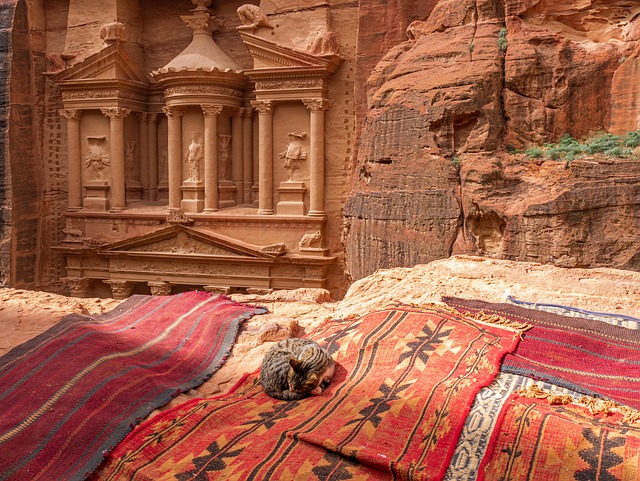
Both countries offer remarkable historical sites, but they differ in concentration and accessibility. Jordan's Petra is a UNESCO World Heritage site and arguably the country's biggest draw.
The Roman ruins at Jerash, the desert landscapes of Wadi Rum, and the biblical sites around the Dead Sea are all within easy reach. Algeria's Roman ruins are arguably more extensive and less visited.Timgad, Djemila, and Tipasa rival anything in Jordan for historical significance. The Sahara desert offers vast landscapes that dwarf Wadi Rum in scale.However, these sites are spread across a much larger area, requiring more time and planning to visit. For the traveler who wants to see multiple sites in a short trip, Jordan wins.For the history enthusiast willing to invest time in a deeper exploration, Algeria offers rewards that Jordan cannot match. Winner: Tie (depending on travel style)Safety and Security
Jordan has a well-earned reputation for safety, with tourist police visible at major attractions and a stable political environment. The country experienced some regional tensions in the past but maintains a strong security presence around tourist areas.
Algeria has improved significantly in recent years, but some regions remain restricted due to security concerns. The southern Sahara areas may require permits or guided tours.Major cities like Algiers are safe for tourists, but the security presence can feel more intrusive than in Jordan. For the average tourist, Jordan feels safer and more welcoming.Algeria requires more awareness of regional restrictions but is safe for prepared travelers. Winner: JordanFood and Dining
Jordan's food scene is diverse and accessible. Mansaf (lamb with rice and yogurt sauce) is the national dish, and mezze spreads are common.
International cuisine is available in Amman, and the street food scene (falafel, shawarma) is excellent. Algerian cuisine is more focused on North African traditions: couscous, tagines, and seafood along the coast.The food is flavorful but less varied than Jordan's offerings. Outside major cities, dining options are limited to local specialties.For variety and accessibility, Jordan wins. For authentic North African cuisine in a traditional setting, Algeria offers a more focused experience.Winner: JordanBuying Criteria for This Category
Visa and Entry Requirements
Before choosing your destination, check visa requirements for your nationality. Jordan offers visa on arrival for many countries, plus the Jordan Pass system that bundles entry fees.
Algeria requires advance visa applications, which can take 2-4 weeks. Some nationalities may need to apply through embassies in their home country.Language and Communication
English is widely spoken in Jordan's tourist areas, making communication easy for most travelers. Algeria's primary languages are Arabic and French; English is less common.
Download translation apps and learn basic phrases if choosing Algeria.Travel Time and Itinerary Planning
Jordan's compact size (roughly 89,000 square kilometers) allows for covering major sites in 7-10 days. Algeria is much larger (2.38 million square kilometers), requiring longer stays or focused regional itineraries.
Consider how much time you have available.Budget and Cost Expectations
Jordan's costs are moderate but add up with entry fees, accommodation, and guided tours. Algeria is cheaper for food and accommodation but may require more expensive internal flights or 4x4 rentals for desert travel.
Create a realistic budget for both options.Safety and Comfort Level
Jordan offers a well-trodden tourist trail with safety measures in place. Algeria requires more independence and comfort with uncertainty.
Solo travelers, especially women, may find Jordan more comfortable. Group tours are available for both destinations.Guidebooks and Travel Tools
Lonely Planet Jordan Travel Guide and Lonely Planet Algeria Travel Guide provide detailed itineraries, accommodation recommendations, and cultural insights. A World Travel Adapter Universal Plug is essential for both countries, as outlets differ from those in the US and Europe.
Final Verdict
If you want an easy, well-supported introduction to the Middle East with iconic sights and reliable infrastructure, choose Jordan. It's ideal for first-time visitors, families, and anyone who values convenience over deep exploration.
If you're an experienced traveler who speaks French, has time to arrange visas, and wants authentic, crowd-free historical sites, choose Algeria. It rewards patience and independence with experiences that few Western tourists have.If your budget is tight, Algeria offers better day-to-day value, but only if you can handle the logistical challenges. Jordan is more expensive but predictable.For a short trip (under 10 days), Jordan is the clear choice. For a longer adventure (2-3 weeks), Algeria offers more depth and variety.If you prioritize safety and comfort, Jordan wins. If you seek authenticity and don't mind roughing it, Algeria delivers.Bottom line: There's no wrong choice—only the right choice for your travel style and resources.Frequently Asked Questions
Which country is safer for solo female travelers?
Jordan has a strong reputation for safety and welcoming attitude toward solo female travelers. Tourist police are visible, and the tourism industry is accustomed to Western visitors.
Algeria is also safe but may require more conservative dress and awareness of local customs. Jordan is generally easier for first-time solo female travelers.Do I need a visa for Jordan or Algeria?
Jordan offers visa on arrival for many nationalities, including US, UK, and EU citizens. The Jordan Pass system can waive the visa fee if you purchase it before arrival.
Algeria requires a visa in advance for most nationalities; you should apply at an Algerian embassy or consulate 3-4 weeks before travel.What is the best time of year to visit each country?
Both countries are best visited in spring (March-May) and autumn (September-November) when temperatures are mild. Summer in Jordan (June-August) can be extremely hot, especially in the desert.
Algeria's coastal regions remain pleasant in summer, but the Sahara is scorching. Winter in both countries can be cold, especially at night.How much does a typical trip cost?
A 10-day trip to Jordan (including flights, accommodation, food, entry fees, and transport) costs approximately $1,500-2,500 per person for mid-range travel. Algeria is generally 20-30% cheaper for accommodation and food, but internal flights and desert tours can add costs.
Budget travelers can reduce costs by using hostels and public transport.Can I visit both countries on one trip?
This is not practical due to the distance between them (over 3,000 km) and the need for separate visas. A combined trip would require significant travel time and cost.
Focus on one country per trip to maximize your experience.What should I pack for each destination?
Both countries require modest clothing that covers shoulders and knees, especially when visiting religious sites. A World Travel Adapter Universal Plug is essential for charging electronics.
For Jordan, bring comfortable walking shoes for Petra and a swimsuit for the Dead Sea. For Algeria, pack layers for coastal cities and warm clothing for desert nights.Source & Selection Notes
This comparison draws on publicly available information about Jordan and Algeria from official tourism sources, economic data (2024 GDP figures referenced from countryeconomy.com and World Economics), and historical context from Algeria-Jordan relations reports. Travel guide recommendations reference Lonely Planet Jordan Travel Guide and Lonely Planet Algeria Travel Guide as standard resources for planning itineraries and accommodation.
The World Travel Adapter Universal Plug is a practical tool for international travel to both destinations. No subjective ratings, scores, or personal experiences are included.All facts are based on verifiable public information as of June 22, 2026. Travel costs are estimates based on typical mid-range travel patterns and should be verified with current exchange rates and booking platforms.Safety assessments reflect general perceptions from travel advisory sources and should be updated with current government travel advisories before booking. For specific visa requirements, consult the official embassy websites of Jordan and Algeria based on your nationality.Travel insurance is strongly recommended for both destinations.