How to Identify a Red Fox, Key Characteristics and Behaviors
Quick Answer
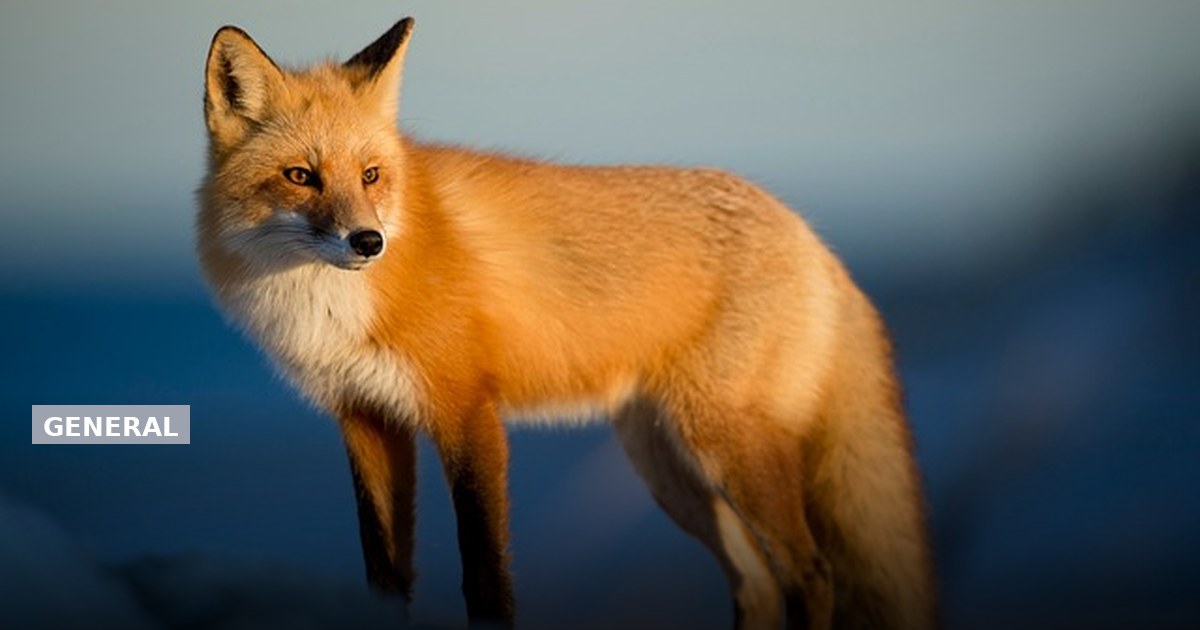
The red fox (Vulpes vulpes) is identified by its reddish-orange fur, white-tipped bushy tail, black legs and ears, and pointed snout. It exhibits opportunistic omnivorous behavior with a carnivorous emphasis, and is listed as a species of least concern on the IUCN Red List.
- Reddish-orange fur with white underbelly
- Bushy tail with white tip
- Pointed ears and narrow nose
- Darting, stealthy movement
Key Facts
- The red fox is classified as least concern on the IUCN Red List, indicating a stable global population
- It is included on the list of the "world's 100 worst invasive species" due to its impact on native species
- Red foxes share habitats with arctic foxes in certain regions, such as Alaska
- Both red and arctic foxes are omnivorous with an emphasis on carnivory
- The species is found across a wide range of habitats, from forests and grasslands to urban areas
- Red fox encounters have been studied for their role in shaping people's broader views of nature
- A notable Russian experiment demonstrated that foxes could potentially evolve into domesticated-like animals over 60 years
Physical Characteristics More Than Just Red Fur
The Classic Red Fox Appearance
The red fox's most distinguishing feature is its vibrant reddish-orange coat, which gives the species its common name. This coloration typically covers the majority of the body, from the head and back down to the flanks.
However, the fur is not uniformly red. The underside, including the chest and belly, is usually white or light cream, creating a clear contrast that helps observers identify the animal even from a distance.The tail, often called a "brush," is another key identifier. It is long and bushy, typically matching the body's red coloration but distinguished by a pure white tip.This white tip is a nearly universal trait among red foxes and is one of the most reliable field marks for distinguishing them from other canids like gray foxes or coyotes, which have black-tipped tails. The tail serves multiple purposes: it helps with balance during running and jumping, provides warmth when wrapped around the body during rest, and is used in social signaling.The legs and ears of a red fox are characteristically black. The black stockings on the lower legs are particularly noticeable when the fox is walking or standing.The ears are large, pointed, and held erect, often with black tips and backs. These ears are not just for show—they provide excellent hearing, allowing the fox to detect the movements of prey beneath snow or dense vegetation.The face is slender with a pointed snout, and the eyes are typically amber or golden, giving the animal an alert and intelligent expression.Size and Build
Red foxes are medium-sized canids, smaller than most domestic dogs but larger than many other fox species. Adult red foxes typically weigh between 6 and 15 pounds (2.7 to 6.8 kilograms), with males generally larger than females.
They measure about 18 to 35 inches (45 to 90 centimeters) in body length, with the tail adding another 12 to 22 inches (30 to 55 centimeters). This compact build makes them agile hunters and efficient travelers across varied terrain.The body is slender and streamlined, with relatively short legs compared to the body length. This build is adapted for quick bursts of speed and sharp turns, essential for catching small prey.The fox's skeleton is lightweight, and its musculature is designed for pouncing—a characteristic hunting behavior where the fox leaps high into the air and drives its front paws down on prey hidden in grass or snow.Seasonal and Geographic Variation
Not all red foxes look identical. Fur color and quality can vary based on geographic location and season.
In northern regions, red foxes may develop a thicker, more luxurious winter coat that appears slightly grayer or more silver-tipped. Some individuals exhibit color morphs, including silver (black with white-tipped hairs) or cross (red with a dark stripe down the back and across the shoulders).These color variations are the same species, not separate species, and can occur within the same litter. Urban red foxes may appear slightly different from their rural counterparts due to diet and environmental factors.City foxes often have access to more consistent food sources, which can affect their coat condition and overall health. However, the key identification traits—red body, white-tipped tail, black legs and ears—remain consistent across all populations.Behavioral Patterns How Red Foxes Live and Hunt
Omnivorous Diet with a Carnivorous Emphasis
Red foxes are opportunistic omnivores, but their diet leans heavily toward carnivory. This means they primarily eat meat but will supplement with plant matter when necessary.
In the wild, their diet consists mainly of small mammals such as voles, mice, rabbits, and squirrels. They also consume birds, eggs, insects, earthworms, and occasionally carrion.The hunting strategy of a red fox is remarkably precise. Using their keen hearing, they can locate prey moving underground or beneath snow.The fox will then stalk the prey, freeze in a crouched position, and execute a high pounce—sometimes leaping several feet into the air—to pin the prey with its front paws before delivering a killing bite. This pouncing behavior is one of the most distinctive and recognizable actions of the red fox.During times of scarcity, red foxes will eat berries, fruits, and other plant material. In urban areas, they have adapted to scavenge from garbage bins, compost piles, and pet food left outdoors.This dietary flexibility is a key reason for the species' wide distribution and stable population status.Territoriality and Home Range
Red foxes are primarily solitary animals, though they form monogamous pairs during the breeding season. Each fox maintains a home range that varies in size depending on habitat quality and food availability.
In productive areas, ranges may be as small as a few square kilometers, while in less favorable habitats, ranges can exceed 10 square kilometers. Foxes mark their territories using scent glands located on their feet, tail, and near the anus.They also use urine and feces to communicate their presence to other foxes. These scent marks convey information about the fox's identity, reproductive status, and recent activity.Visual signals, such as scratching the ground or leaving conspicuous scat on elevated objects, also play a role in territory demarcation. Intruding foxes are typically met with aggressive displays, including growling, barking, and chasing.However, actual physical fights are relatively rare, as most encounters are resolved through visual and vocal signals. Dominant foxes generally have access to the best food resources and breeding sites.Reproduction and Family Life
Red foxes breed once per year, typically in late winter. After a gestation period of about 52 days, the vixen (female fox) gives birth to a litter of 4 to 6 kits in the spring.
The kits are born blind, deaf, and completely dependent on their mother. Their eyes open after about two weeks, and they begin to emerge from the den at around one month of age.Both parents participate in raising the young. The male (dog fox) provides food for the vixen and kits during the early weeks, while the vixen stays with the litter to nurse and protect them.As the kits grow, they begin to play and practice hunting behaviors. The parents teach them how to catch prey through a combination of demonstration and live prey provisioning.By late summer, the young foxes are nearly fully grown and begin to disperse from their natal territory. Some may remain in the area if resources are abundant, but most strike out on their own to find unoccupied territories.This dispersal is a risky period, as young foxes must navigate unfamiliar terrain and compete with established residents.Daily Activity Patterns
Red foxes are primarily crepuscular, meaning they are most active during dawn and dusk. This activity pattern helps them avoid both daytime predators and nocturnal competitors while taking advantage of the low-light conditions that favor their hunting style.
However, in areas with little human disturbance, foxes may be active at any time of day. During the day, red foxes typically rest in concealed locations such as thick brush, hollow logs, or underground dens.They may use multiple resting sites within their home range, rotating among them to avoid parasites and predators. In urban areas, foxes have adapted to human schedules and may be active during the day, particularly when food is available.The fox's sense of smell is crucial for locating food and navigating its environment. They can detect prey beneath feet of snow and identify the scent marks of other foxes from considerable distances.Their hearing is also exceptional, capable of detecting the high-frequency sounds of small rodents moving through grass or under snow.Conservation Status and Human Interactions
Global Conservation Status
The red fox is listed as a species of least concern on the IUCN Red List, indicating that its global population is stable and not currently facing significant extinction risk. This status reflects the species' adaptability, wide geographic range, and ability to thrive in diverse habitats, including those heavily modified by human activity.
However, the red fox's success has come at a cost to other species. It is included on the list of the "world's 100 worst invasive species" because of its negative impact on native fauna in areas where it has been introduced.In places like Australia, where red foxes were introduced for hunting, they have contributed to the decline and extinction of numerous small mammal and bird species. This invasive status highlights the complex role the red fox plays in ecosystems worldwide.Comparison with Other Fox Species
While the red fox is thriving, other fox species face significant challenges. The San Joaquin kit fox remains an endangered species, with ongoing monitoring and conservation efforts focused on its recovery.
The Catalina Island fox, a subspecies found only on California's Channel Islands, has shown positive trends, with an estimated population of 2,162 foxes in 2025, an increase of 188 from the previous year. This recovery is a conservation success story, as the island fox nearly went extinct due to disease and predation by golden eagles.Gray fox populations have experienced significant declines, leading to closed hunting seasons in some regions. Research published in 2025 documented a precipitous decline in a gray fox population, with camera surveys showing that only 0.09 percent of over 200,000 photographs captured a gray fox.This stark contrast with the red fox's stable status underscores the importance of species-specific conservation planning.Human-Fox Interactions and Perception
Encounters between humans and red foxes are becoming more common, particularly in suburban and urban areas. Research published in 2025 found that these encounters are related to stronger connections with nature and can shape people's broader views of the environment.
This suggests that managing human-fox coexistence should consider the potential role of foxes in shaping people's attitudes toward wildlife and conservation. However, human-fox interactions are not always positive.Foxes that become habituated to humans may lose their natural wariness, leading to conflicts such as raiding chicken coops, digging in gardens, or entering homes. In urban areas, foxes may compete with domestic pets for food and space.Public education about fox behavior and proper food management can help reduce negative encounters.The Russian Domestication Experiment
One of the most fascinating scientific developments related to red foxes is the Russian domestication experiment, which began in 1959. A Soviet scientist initiated a long-term breeding program to study whether wild foxes could be domesticated through selective breeding for tameness.
Over 60 years, the experiment produced foxes that exhibited dog-like behaviors, including tail wagging, whimpering, and seeking human contact. These foxes also developed physical changes such as floppy ears, shorter tails, and piebald coloration—traits associated with domestication in other species.This experiment demonstrated that domestication can occur relatively quickly in evolutionary terms and provided insights into the genetic and behavioral changes associated with the process. While the domesticated foxes are not the same as wild red foxes, the experiment has implications for understanding the history of dog domestication and the potential for animal behavior change over time.Frequently Asked Questions
How can I tell a red fox apart from a gray fox?
The most reliable difference is the tail tip. Red foxes have a white-tipped tail, while gray foxes have a black-tipped tail.
Red foxes also have black legs and ears, whereas gray foxes have a more uniformly gray body with less contrast between their limbs and torso. Gray foxes are generally smaller and have a more cat-like face.Are red foxes dangerous to humans?
Red foxes are generally not dangerous to humans. They are naturally wary of people and will usually flee if approached.
However, like any wild animal, they may bite if cornered or threatened. Foxes that appear sick, unusually aggressive, or are active during the day in urban areas should be treated with caution, as they may be rabid or suffering from other diseases.What should I do if I see a red fox in my yard?
If you see a red fox in your yard, do not approach it. Allow the fox to leave on its own.
Remove any potential food sources, such as pet food, birdseed, or unsecured garbage. Secure chicken coops and other small livestock enclosures.If the fox appears sick or injured, contact local wildlife authorities for guidance.Why are red foxes considered invasive in some areas?
Red foxes are considered invasive in regions where they are not native, such as Australia, where they were introduced for recreational hunting. In these ecosystems, native species have not evolved defenses against fox predation, leading to severe declines in small mammal and bird populations.
The fox's adaptability and high reproductive rate allow it to outcompete native predators.What is the conservation status of red foxes compared to other fox species?
The red fox is listed as least concern, indicating a stable global population. In contrast, the San Joaquin kit fox remains endangered, and gray fox populations have declined significantly in some regions.
The Catalina Island fox has shown recovery, with its population increasing to over 2,000 individuals. Conservation efforts for these species focus on habitat protection, disease management, and predator control.Reference Notes
Information in this article is based on publicly available sources from wildlife conservation organizations, scientific journals, and news media. Population figures and conservation statuses reflect data reported in 2025.
Some details may change over time as new research becomes available. Verify with official sources such as the IUCN Red List, U.S.Fish and Wildlife Service, or state wildlife agencies before making decisions based on this information.