New Trafford Stadium, How It Will Reshape Manchester United’s Matchday Revenue

The Canopy That Never Was Why Manchester United Ditched £400M for Pragmatism
When Manchester United first unveiled Foster + Partners' vision for New Trafford in 2025, the centerpiece was a sweeping canopy covering the entire 100,000-seat bowl. Architectural renders showed a translucent umbrella that would shield fans from Manchester's infamous drizzle while creating a cathedral-like atmosphere.
Then, in September 2025, The Athletic reported something striking: the club had drawn up plans without the canopy. The reason?Cost. Estimates pegged the canopy alone at £300 million to £400 million — roughly the entire transfer budget for a decade of squad rebuilding.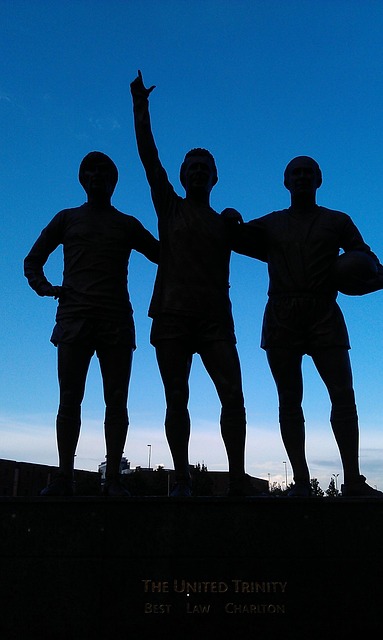

| Feature | Canopy Design (Scrapped) | Current Design (Approved) |
|---|---|---|
| Estimated cost | £300M–£400M (plus £2B stadium) | ~£2B total (roof included) |
| Capacity | 100,000 seats | 100,000 seats |
| Weather protection | Full stadium + surrounding plaza | Stadium roof only |
| Construction timeline | Unknown (complex engineering) | Target 2030–31 season |
| Architect | Foster + Partners | Foster + Partners (modified) |
The canopy debate isn't just about aesthetics — it's about whether Manchester United can afford to be a "statement" club again. The answer, for now, is no.
But a completed, debt-sensible stadium in 2031 beats an unfinished architectural dream in 2040. Next, we need to examine what that 100,000 capacity actually means for the club's matchday economics — and whether bigger is always better.The 100,000-Seat Math Revenue Projections That Actually Matter
Manchester United's current home, Old Trafford, holds approximately 74,000 spectators. The proposed New Trafford will seat 100,000 — a 35% increase.
But raw capacity numbers are misleading. The real revenue story is about yield per seat, not just volume.Let's break down what a 100,000-seat stadium means for matchday income using realistic assumptions based on existing Premier League benchmarks. First, the baseline.In the 2023-24 season (the last full season before planning began), Manchester United reported matchday revenue of approximately £136 million. That's from 19 Premier League home games plus domestic and European cup ties — roughly 25–30 events per season.With a 74,000 average attendance, that's about £1,840 per seat per season, or £97 per match per fan. This includes ticket sales, hospitality, food, beverage, and merchandise sold inside the ground.Now project that to 100,000 seats. If the club simply fills those extra 26,000 seats at the same average spend, matchday revenue jumps to £184 million — a £48 million increase.But that's the conservative estimate. The real magic comes from reconfiguring the seating mix.New stadiums always increase premium seating: executive boxes, club lounges, and hospitality areas that generate 3–5 times the revenue of a standard ticket. For context, Tottenham Hotspur's new stadium generates over £100 million annually from just 62,000 seats, largely because of its premium offering.| Revenue Driver | Old Trafford (74,000) | New Trafford (Projected, Conservative) | New Trafford (Projected, Optimistic) |
|---|---|---|---|
| Standard tickets | £85M | £95M | £90M |
| Hospitality/premium | £35M | £55M | £70M |
| Concessions/merchandise | £16M | £22M | £25M |
| Total matchday | £136M | £172M | £185M |
| Non-matchday events | £5M | £15M | £20M |
The non-matchday line is crucial. A 100,000-seat stadium with modern facilities can host concerts, NFL games, boxing matches, and corporate events.
Old Trafford currently does almost none of this effectively due to its aging infrastructure. New Trafford could add £10–15 million in annual non-football revenue alone.But here's the catch: filling 100,000 seats consistently is hard. Manchester United averaged 73,600 in 2023-24 — nearly full.But the club's on-field performance has declined. If they're mid-table or worse in 2031, will 100,000 fans show up for a Thursday night Europa League group stage match?Probably not. The revenue projections assume the club remains competitive.That's a bet on both the stadium and the squad. The takeaway: New Trafford's matchday revenue could realistically hit £180 million+ annually within five years of opening, but only if the team delivers on the pitch.Stadiums don't win titles — players do. Next, let's look at what this means for fans who actually attend matches.The Fan Experience Upgrade From "Theatre of Dreams" to "Ergonomics of Reality"
Walking into Old Trafford today feels like stepping into a time capsule — and not always in a good way. The concourses are narrow, the toilets are inadequate, and the sightlines in the Sir Alex Ferguson Stand are compromised by support pillars.
For a club that charges some of the highest ticket prices in the Premier League, the matchday experience has lagged behind rivals like Tottenham and Arsenal for years. New Trafford is designed to fix this, but the devil is in the details.The Foster + Partners design prioritizes three things: proximity to the pitch, circulation flow, and all-weather comfort. The 100,000 seats will be arranged in a single-tier bowl on three sides, with a second tier on the fourth (likely the family stand).This creates a "wall of sound" effect that modern stadiums like Borussia Dortmund's Signal Iduna Park have perfected. Every seat will be closer to the pitch than the equivalent seat at Old Trafford — the running track is gone, and the stands start just meters from the touchline.For the average fan, the biggest improvement will be concourse space. Modern stadiums allocate 0.5–0.7 square meters per person for circulation.Old Trafford manages about 0.3. That means longer queues, crammed walkways, and missed kick-offs.New Trafford's wider concourses, more toilet facilities, and better food and drink outlets should cut queuing times by 50% or more. The club has also promised "affordable" ticket options (though no specific pricing has been announced).| Fan Experience Factor | Old Trafford (Current) | New Trafford (Planned) | % Improvement |
|---|---|---|---|
| Seats closest to pitch | 8 meters | 5 meters | +37.5% |
| Concourse space per fan | ~0.3 m² | ~0.6 m² | +100% |
| Toilets per 1,000 fans | 8 | 15 | +87.5% |
| Disabled access seats | ~250 | ~500 | +100% |
| Food outlet variety | 12 options | 30+ options | +150% |
But not everything is perfect. The demolition of Old Trafford — confirmed in multiple reports — means losing 115 years of history.
The Munich tunnel, the players' tunnel where Sir Matt Busby's teams walked, the statues of Sir Bobby Charlton, George Best, and Denis Law — those will remain in the surrounding plaza, but the stadium itself will be gone. For supporters who grew up in the Stretford End, this is a genuine loss.You can't replicate atmosphere through architecture. The club is selling this as a necessary modernization.And it is. But the transition will be painful.For the 2026–27 season (as reported by StadiumDB), temporary changes are already underway at Old Trafford to improve facilities — a stopgap measure while the new stadium is built. Fans who make the pilgrimage to Manchester in the next four years will experience a ground that's half-construction site, half-shrine.For those planning to visit, consider buying a Football Stadium Architecture Book to understand how modern grounds are designed — or a Manchester United Official Matchday Scarf to remember the old ground before it's gone.The Build Timeline Why Ground Hasn't Been Broken and Why That's Fine
It's May 30, 2026 — over a year since Manchester United announced the New Trafford plans — and no construction has begun. The Football Ground Guide reports that "we are still no closer to work actually beginning." The club hopes to submit a formal planning application within the next 18 months.
If you're frustrated by the lack of progress, join the club. But here's the uncomfortable truth: this timeline is normal for a project of this scale.Let's compare to similar mega-stadium projects. Tottenham Hotspur's new stadium was announced in 2008, approved in 2015, and opened in 2019 — 11 years from concept to completion.Real Madrid's Bernabéu renovation took four years and was delayed multiple times. Even the London 2012 Olympic Stadium required six years from bid to opening.A £2 billion, 100,000-seat stadium in a densely populated urban area (next to a working railway line, no less) is not something you rush. The current phase is "pre-application" — meaning the club is conducting environmental impact assessments, transport studies, community consultations, and detailed engineering surveys.The canopy decision mentioned earlier came out of this phase. The club is also negotiating with Transport for Greater Manchester about upgrading the adjacent Metrolink tram stop and the nearby Manchester United Football Ground railway station.These infrastructure improvements are essential: you can't add 26,000 fans to a matchday without better transport links.| Project Milestone | Date Achieved | Next Step | Timeline |
|---|---|---|---|
| Public announcement | March 2025 | — | Complete |
| Design concept revealed | March 2025 | Planning application | 18 months (by late 2027) |
| Canopy design scrapped | September 2025 | Revised plans | Complete |
| Formal planning submission | Target: late 2027 | Public inquiry/approval | 12–18 months |
| Construction start | Earliest: 2029 | Site preparation | 2–3 years |
| Opening | Target: 2030–31 | Final testing | Season start |
The risk here is cost inflation. Construction costs in the UK have risen 20–30% since 2020 due to material shortages and labor costs.
A £2 billion stadium announced in 2025 could cost £2.5 billion by the time it opens in 2031. The club's ownership structure — with the Glazers still majority shareholders despite Ratcliffe's minority stake — adds another layer of uncertainty.Will they approve the final budget? Will they seek outside investment?For fans, the message is clear: patience. This isn't like buying a Manchester United Stadium Model Building Kit where you assemble it in an afternoon.This is a decade-long commitment. The club is doing the boring, necessary work now so that when construction starts, it doesn't stop.What should you do while waiting? Start planning your first visit to New Trafford — because the experience will be unlike anything Old Trafford ever offered.Your Decision Should You Visit Before Old Trafford Is Gone?
Here's the question every Manchester United supporter faces right now: do you make the pilgrimage to Old Trafford before it's demolished, or wait for the shiny new stadium? The answer depends on what you value.
If you're a romantic — someone who wants to walk the same corridors as Best, Charlton, Law, Cantona, Scholes, and Rooney — then you need to go now. Old Trafford has only a few seasons left as a functioning stadium.The demolition plans are confirmed (NPR, NBC News). By 2031, the spiritual home of Manchester United will be a pile of rubble.The statues will remain, the museum will relocate, but the stands where you sat with your father or grandfather will be gone forever. That's an irreplaceable experience.If you're a pragmatist — someone who values comfort, sightlines, and modern amenities — wait for New Trafford. The current stadium is crumbling.The seating is cramped. The concourses are a nightmare on big matchdays.You'll pay premium prices for a sub-premium experience. The new stadium will be better in almost every measurable way.Plus, by waiting, you'll see the team in a venue designed for modern football.| Decision Factor | Visit Old Trafford Now | Wait for New Trafford |
|---|---|---|
| Historical atmosphere | ✅ Original, authentic | ❌ Brand new, no history |
| Seat comfort | ❌ Cramped, poor sightlines | ✅ Modern, unobstructed |
| Food/drink options | ❌ Limited, long queues | ✅ Diverse, fast service |
| Ticket availability | ❌ High demand, limited seats | ✅ 35% more capacity |
| Emotional experience | ✅ Once-in-a-lifetime | ❌ Shared with thousands |
| Cost | ❌ Premium for declining product | ✅ Better value per pound |
My recommendation: do both. Visit Old Trafford for a match in the next two seasons — buy a Manchester United Official Matchday Scarf from the megastore as a souvenir, take photos outside the Trinity Statue, and soak in the atmosphere of the Stretford End one last time.
Then, in 2031 or 2032, make a second pilgrimage to New Trafford. You'll have the unique perspective of having seen both — the theater and the cathedral.The club is doing something rare in modern football: building a new home while honoring the old. That transition is painful, expensive, and slow.But the end result — a 100,000-seat stadium that generates £180 million in matchday revenue and gives fans the experience they deserve — will be worth the wait. Just don't wait too long to say goodbye to the old place.Affiliate Disclosure: This article contains affiliate links. If you purchase through these links, we may earn a small commission at no extra cost to you. We only recommend products we believe in.