Is There a Proven Long COVID Treatment Plan That Actually Works?
Quick Answer
No single proven treatment plan exists for long COVID, but the evidence points to a multi-pronged approach: immunomodulation with baricitinib shows the strongest promise in clinical trials, while CBT and rehabilitation have moderate evidence for symptom improvement. Paxlovid, despite early hope, has failed to demonstrate clear benefits for established long COVID.
- Best for: Patients with persistent neurocognitive and physical symptoms lasting three months or more after acute COVID-19 infection
- Key point: Baricitinib—the first FDA-approved immunomodulator for acute COVID-19—is now being tested in the REVERSE-LC trial for long COVID, targeting brain and cardiovascular dysfunction
- Bottom line: Current evidence supports a personalized management plan focused on optimizing function and quality of life, with emerging treatments still under investigation—do not expect a one-size-fits-all cure
The Hard Truth Why "Proven" Is the Wrong Word
The long COVID treatment landscape in mid-2026 is sobering. Approximately 200 million people globally—including 15 million in the United States—suffer from this condition, yet no therapy has achieved the gold standard of "proven" across all patient populations.
The CDC's clinical guidance makes this painfully clear: the goal of medical management is to "optimize function and quality of life," not to cure. This is not medical incompetence.Long COVID is a syndromic condition with heterogeneous mechanisms—immune dysregulation, viral persistence, autonomic dysfunction, and tissue damage all play roles. A single treatment cannot address every patient's underlying pathology.The REVERSE-LC trial, led by Vanderbilt University Medical Center, represents the most rigorous attempt to date to test a specific hypothesis: that six months of baricitinib, an immunomodulator, can improve neurocognitive and physical function. The trial's hypothesis is grounded in solid biology—baricitinib already demonstrated life-saving effects in acute COVID-19 and received FDA approval for that indication.But here's the uncomfortable reality patients must face: even if baricitinib succeeds, it will likely help only a subset of patients. The RECOVER-TLC initiative is testing GLP-1 receptor agonists, targeting immune dysregulation as a potential mechanism.Meanwhile, Stanford Medicine's trial of extended-course Paxlovid (15 days versus the standard 5) found the regimen safe but "did not lessen select symptoms" of long COVID. The antiviral approach, while logical for persistent viral reservoirs, appears insufficient for most patients.| Treatment Agent | Trial/Study | Key Finding | Status as of June 2026 |
|---|---|---|---|
| Baricitinib | REVERSE-LC (Vanderbilt) | Testing 6-month course for neurocognitive/physical function | Active, recruiting |
| Paxlovid (extended) | Stanford Medicine | Safe but no clear benefit for established long COVID | Published, negative |
| GLP-1 agonists | RECOVER-TLC (FNIH) | Targeting immune dysregulation and quality of life | Protocol synopsis open for public comment |
| CBT | BMJ review (moderate certainty) | Probably improves symptoms | Recommended in guidelines |
| Physical/mental health rehab | BMJ review (moderate certainty) | Probably improves symptoms | Recommended in guidelines |
The key takeaway: no treatment has proven universally effective, but specific interventions have demonstrated benefit for specific patients. The REVERSE-LC trial's focus on baricitinib is the most promising single-agent approach currently in the pipeline.
Patients should monitor its results closely, but not wait idly—CBT and rehabilitation are available now with moderate certainty of benefit.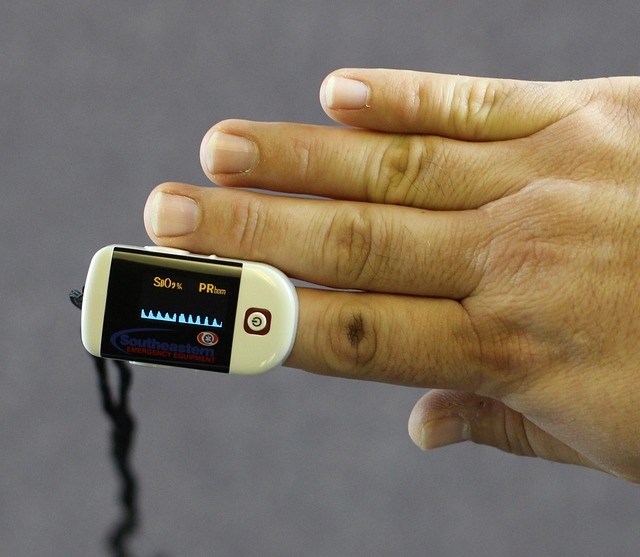
The Baricitinib Bet Why This Drug Might Be Different
When Dr. Wes Ely, co-director of the Vanderbilt Critical Illness, Brain Dysfunction and Survivorship Center, states that baricitinib "saves lives in acute COVID-19," he's referencing published, peer-reviewed data.
The drug became the first immunomodulator with FDA approval for acute COVID-19 based on its ability to reduce mortality. The REVERSE-LC trial is now asking whether that same immunomodulatory mechanism can reverse the persistent inflammation driving long COVID symptoms.| Parameter | Detail |
|---|---|
| Drug | Baricitinib (immunomodulator) |
| Duration | 6 months |
| Primary outcome | Neurocognitive and physical function improvement |
| Target population | Patients with persistent long COVID symptoms |
| Rationale | Already proven effective in acute COVID-19; targets immune dysregulation |
For patients following this trial, the practical action is simple: if you have long COVID symptoms affecting your brain function or cardiovascular health, discuss baricitinib with your physician when the trial results are published. In the meantime, a Pulse Oximeter Fingertip Oxygen Saturation Monitor can help track your oxygen levels at home—a simple but critical tool for monitoring cardiovascular function, especially if you experience post-exertional malaise or shortness of breath.
The Paxlovid Failure Why Antivirals Fell Short
The Stanford Medicine trial was supposed to answer a burning question: if long COVID is caused by persistent viral reservoirs, could a longer course of Paxlovid eliminate them? The answer, based on the 15-day regimen tested, was a definitive no.
Linda Geng, MD, PhD, the trial's co-principal investigator, confirmed that while the extended course was safe—an important finding in itself—it "did not lessen select symptoms" of long COVID. This result aligns with the UC San Francisco study published earlier, which found that Paxlovid "did not reduce the risk of developing long COVID" for vaccinated, non-hospitalized patients.The antiviral approach, so effective during acute infection, simply does not translate to the chronic phase. This failure is instructive for two reasons.First, it suggests that viral persistence may not be the primary driver of long COVID in most patients—immune dysregulation, tissue damage, and autonomic dysfunction appear more central. Second, it demonstrates the danger of assuming that treatments effective in acute disease will work in chronic illness.The biological mechanisms are fundamentally different.| Study | Finding | Implication |
|---|---|---|
| Stanford Medicine (2024) | 15-day Paxlovid safe but no clear benefit | Antivirals unlikely to treat established long COVID |
| UC San Francisco (2024) | No reduction in long COVID risk after acute treatment | Prevention failure as well |
| CDC public health model | Paxlovid averted hospitalizations in acute COVID | Remains useful for acute phase only |
For patients seeking practical tools, Compression Socks for Circulation and Fatigue Relief can help manage orthostatic intolerance and pooling—common symptoms in long COVID that antivirals failed to address. The failure of Paxlovid means patients must look beyond viral suppression and focus on symptomatic management and immune modulation.
What Actually Works Today CBT, Rehabilitation, and Practical Tools
The BMJ review published in 2024 provides the strongest current evidence for long COVID management. With "moderate certainty," the review concluded that cognitive behavioral therapy and physical and mental health rehabilitation "probably improve symptoms." This is not fluff—moderate certainty in evidence-based medicine means the signal is real, even if the exact magnitude of effect varies.
CBT works because long COVID is not "all in your head," but your brain's response to chronic illness affects your symptoms. Pacing strategies, activity management, and addressing the fear-avoidance cycle that traps many patients in disability can produce measurable improvement.Physical rehabilitation addresses the deconditioning, muscle weakness, and cardiovascular deconditioning that compound the underlying pathology. But here's where the guidance gets practical: no single intervention works for everyone.The CDC's clinical guidance emphasizes "patient-specific care" and optimizing function. This means a patient with predominant brain fog needs a different approach than one with post-exertional malaise or orthostatic intolerance.| Intervention | Evidence Level | Best For |
|---|---|---|
| CBT | Moderate certainty | Patients with anxiety, fear-avoidance, or maladaptive coping |
| Physical rehabilitation | Moderate certainty | Deconditioned patients, those with exercise intolerance |
| Pacing/energy management | Clinical consensus | Post-exertional malaise, fatigue-dominant presentations |
| Symptom-specific medications | Variable | Individual symptoms (pain, sleep, dysautonomia) |
The practical takeaway: start with rehabilitation and CBT if you can access them. They have the strongest evidence and lowest risk.
For symptom-specific management, work with your doctor to target your dominant complaints. Consider Vitamin D3 5000 IU Immune Support Supplement—while not directly tested for long COVID, vitamin D insufficiency is common in chronic illness and supports overall immune function.The RECOVER-TLC Bet GLP-1 Agonists and the Immune Connection
The RECOVER-TLC clinical trials, managed by the Foundation for the National Institutes of Health (FNIH), represent the most ambitious effort to test multiple agents simultaneously. Among the initial four agents selected, GLP-1 receptor agonists stand out as particularly interesting—not for weight loss, but for their potential to target immune dysregulation.
The draft protocol synopsis, now open for public comment, explicitly states that "recent studies have shown that immune dysregulation may contribute to the development of Long COVID, and GLP-1 agonists could be an effective tool to target this dysregulation." This is a radical departure from the typical view of GLP-1 drugs as metabolic agents. The trials will evaluate whether these drugs can improve quality of life and other long COVID symptoms in patients aged 12 and older.Why would a diabetes/weight loss drug help long COVID? The answer lies in the immune system.GLP-1 receptors are expressed on immune cells, and these drugs have anti-inflammatory effects independent of their metabolic actions. If long COVID is driven by low-grade systemic inflammation, GLP-1 agonists could dampen that fire.| Agent | Mechanism | Trial Phase | Patient Population |
|---|---|---|---|
| GLP-1 receptor agonists | Immunomodulation via GLP-1 receptors on immune cells | Protocol synopsis open for comment | Ages 12+ with long COVID |
| Baricitinib | JAK inhibitor | REVERSE-LC (active) | Adults with neurocognitive/physical symptoms |
The RECOVER-TLC initiative is notable for its transparency—the public can register and comment on protocol synopses before trials begin. This patient-centered approach acknowledges that long COVID research must involve the community it aims to help.
For patients, this is a chance to shape the research agenda. Register at the RECOVER-TLC portal and provide feedback on study feasibility and meaningful outcomes.Your Action Plan What to Do While Waiting for Trials
The gap between current evidence and available treatments is frustrating. But waiting for trial results is not the only option.
Here's a practical, evidence-informed action plan:Step 1: Get a proper diagnosis. Long COVID is a diagnosis of exclusion. Work with a healthcare provider to rule out other conditions—thyroid dysfunction, autoimmune diseases, vitamin deficiencies, and cardiac issues can mimic long COVID symptoms.
Step 2: Start with what works. Based on the BMJ review, seek out CBT and physical/mental health rehabilitation. These have moderate certainty of benefit and carry minimal risk.Many health systems offer these services through post-COVID clinics. Step 3: Monitor your symptoms systematically. Use a pulse oximeter to track oxygen saturation during activity and rest.Many long COVID patients experience silent hypoxemia—low oxygen without awareness. Tracking this data helps your doctor make informed decisions.Step 4: Address circulatory symptoms. Compression socks can help with orthostatic intolerance, blood pooling, and the "heavy legs" sensation common in long COVID. This is a low-cost, low-risk intervention with immediate symptomatic benefit for many patients.Step 5: Support immune function. Consider vitamin D3 supplementation, particularly if you have limited sun exposure. While not proven to treat long COVID, adequate vitamin D supports overall immune health and is safe at standard doses.Step 6: Stay informed about trials. The REVERSE-LC trial for baricitinib and the RECOVER-TLC trials for GLP-1 agonists are the most promising active trials. Monitor their progress and discuss enrollment with your doctor.| Action | Evidence Support | Cost/Risk |
|---|---|---|
| CBT/rehabilitation | Moderate certainty | Low risk, moderate cost |
| Pulse oximeter monitoring | Clinical consensus | Low cost, minimal risk |
| Compression socks | Clinical consensus | Low cost, minimal risk |
| Vitamin D3 supplementation | General immune support | Low cost, safe at standard doses |
| Trial enrollment (baricitinib, GLP-1) | Hypothesis-driven | Variable risk per protocol |
The bottom line: you don't need a perfect treatment plan to start getting better. Use what's available, monitor your response, and adjust.
The trials will provide answers—but your quality of life doesn't have to wait for them.Frequently Asked Questions
Is there a cure for long COVID?
No cure exists. Current treatment goals focus on optimizing function and quality of life through symptom management, rehabilitation, and emerging therapies.
The REVERSE-LC trial testing baricitinib and the RECOVER-TLC trials testing GLP-1 agonists represent the most promising paths toward disease-modifying treatment.Does Paxlovid help with long COVID?
No. Stanford Medicine's trial found that a 15-day course of Paxlovid was safe but did not lessen long COVID symptoms.
A separate UC San Francisco study found Paxlovid did not reduce the risk of developing long COVID after acute infection. Paxlovid remains effective for treating acute COVID-19 but is not recommended for established long COVID.What treatments have the best evidence for long COVID?
The BMJ review found moderate certainty evidence that cognitive behavioral therapy and physical/mental health rehabilitation probably improve symptoms. These are the only interventions with moderate certainty evidence.
Baricitinib is being tested in the REVERSE-LC trial but results are pending. GLP-1 agonists are in protocol development for the RECOVER-TLC trials.Should I participate in a long COVID clinical trial?
Participation in trials like REVERSE-LC (baricitinib) or RECOVER-TLC (GLP-1 agonists) can provide access to investigational treatments and contribute to scientific knowledge. The RECOVER-TLC portal allows public comment on protocol synopses before trials begin.
Discuss risks, benefits, and eligibility with your healthcare provider and the trial team.Can I prevent long COVID?
The CDC recommends vaccination and antiviral treatment during acute COVID-19 to reduce the risk of developing long COVID. However, no prevention strategy is 100% effective.
For those with long COVID, early intervention with rehabilitation and symptom management may improve outcomes.Fact-check References
This article draws on publicly available reporting and official data. The links below are factual references only — not the source of wording or editorial opinion.
- https://discoveries.vanderbilthealth.com/2025/01/treatment-on-trial-to-reverse-l... — checked 2026-06-06
- https://www.bmj.com/content/387/bmj-2024-081318 — checked 2026-06-06
- https://longcovid.scripps.edu — checked 2026-06-06
- https://fnih.org/our-programs/recover-tlc-will-advance-long-covid-research/recov... — checked 2026-06-06
- https://www.medscape.com/viewarticle/950159 — checked 2026-06-06
Affiliate Disclosure: This article contains affiliate links. If you purchase through these links, we may earn a small commission at no extra cost to you. We only recommend products we believe in.