How Gold Is Mined, Refined, and Used in Modern Technology
Quick Answer
Gold mining involves extracting ore from open-pit or underground mines, then crushing, grinding, and processing it with chemicals like cyanide to separate gold from rock. Refining purifies the metal to 99.9% or higher, typically through the Miller or Wohlwill processes.
- Electronics
- Medical devices
- Aerospace
Key Facts
- Global gold mine production reached 3,300 tonnes in 2024, with China leading at 380.2 tonnes. Domestic U.S. production was estimated at 160 tons.
- Gold price averaged $2,408.08 per ounce in 2024, reaching a high of $2,790 on October 30, 2024.
- Estimated global gold consumption (excluding exchange-traded funds) in 2024 was jewelry at 46%, with the remainder going to central banks, investment, and technology.
- The United States holds the largest gold reserves at 8,133.5 tonnes as of November 2024. Global official gold reserves increased by 290 metric tons in the first quarter of 2024.
- Gold's unique properties—excellent electrical conductivity, corrosion resistance, malleability, and biocompatibility—make it irreplaceable in many high-tech applications, from smartphone components to spacecraft electronics.
How Gold Is Mined From Exploration to Extraction
The Search for Economic Deposits
Gold mining begins long before any excavation. Geologists use satellite imagery, geological mapping, geochemical sampling, and geophysical surveys to identify areas with gold-bearing rock formations.
Once a promising area is found, drilling programs assess the grade (concentration of gold) and the size of the deposit. This exploration phase can take years and costs millions of dollars before a single ounce is produced.Gold deposits typically fall into two categories: lode (or vein) deposits, where gold is embedded in quartz veins within solid rock, and placer deposits, where gold particles have eroded from their original source and accumulated in riverbeds or stream sediments. The mining method chosen depends on the deposit's characteristics—its depth, grade, and surrounding geology.Open-Pit Mining The Giant Scale
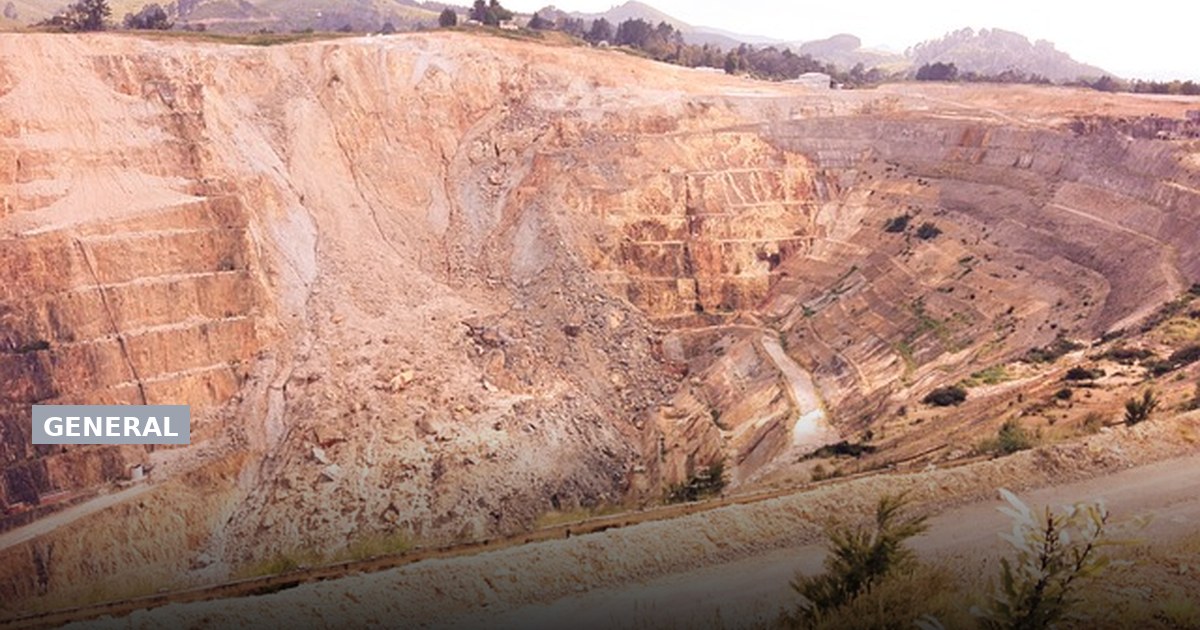
For deposits near the surface, open-pit mining is the most common method. This involves stripping away the overlying soil and rock (called overburden) to expose the ore body.
Massive drills create blast holes filled with explosives, which fracture the rock. Enormous shovels and trucks, some carrying over 300 tons per load, transport the ore to processing facilities.The world's largest gold mines, such as the Grasberg mine in Indonesia and the Muruntau mine in Uzbekistan, operate as open pits. This method allows for high production volumes but leaves large scars on the landscape.Modern operations must comply with strict environmental regulations for reclamation—restoring the land after mining concludes.Underground Mining Reaching Deeper Deposits
When gold deposits extend deep underground, miners use underground techniques. Shafts are sunk vertically, and tunnels (drifts) are dug horizontally into the ore body.
Methods like cut-and-fill, drift-and-fill, or longhole stoping extract the ore while maintaining structural stability. Underground mining is more expensive and dangerous than open-pit mining, but it can access higher-grade ore that makes the cost worthwhile.Safety systems include ventilation to remove hazardous gases, rock bolting to prevent cave-ins, and strict monitoring of air quality. In 2024, many mines in countries like Canada, Australia, and South Africa used automated drilling and remote-controlled loaders to improve safety and efficiency.Processing Separating Gold from Rock
Once ore reaches the surface, it must be processed to extract the gold. The first step is crushing and grinding the rock into fine particles.
This increases the surface area so chemicals can more effectively dissolve the gold. For oxide ores, the most common method is heap leaching.Crushed ore is piled onto lined pads, and a dilute cyanide solution is sprayed on top. The solution percolates through the heap, dissolving gold.The gold-laden solution (pregnant solution) is collected at the bottom and processed to recover the gold. This method is low-cost but can take weeks or months.For sulfide ores or higher-grade material, the ore undergoes more intensive processing. It is ground to a fine powder, mixed with water, and processed in tanks where cyanide leaches the gold.The gold is then recovered using carbon adsorption (where gold sticks to activated carbon) or zinc precipitation (where zinc powder displaces gold from solution). Gold processing faces environmental scrutiny because cyanide is toxic.Modern operations use closed-loop systems to prevent any leakage, and many countries require rigorous monitoring. Some mines are exploring alternative lixiviants, such as thiosulfate or chlorine, to reduce environmental risks.The Refining Journey From Doré Bars to Pure Gold
Smelting and Doré Production
The product from a mine is not pure gold. After processing, miners produce doré bars—rough ingots typically containing 60% to 90% gold, with the remainder being silver, copper, and other metals.
These bars are cast at the mine site and shipped to refineries for further purification.The Miller Process Industrial-Scale Refining
The Miller process is used for large-scale refining, handling hundreds of kilograms of doré per batch. The doré bars are melted in a furnace, and chlorine gas is bubbled through the molten metal.
The chlorine reacts with impurities (silver, copper, zinc, lead) to form chlorides, which float to the surface as a slag that is skimmed off. The result is gold of 99.5% to 99.9% purity.The Miller process is efficient and cost-effective, but it cannot remove all impurities—especially platinum group metals like palladium or platinum, which require further processing.The Wohlwill Process Reaching 99.99% Purity
For the highest purity gold—used in electronics, medical implants, and investment-grade bars—the Wohlwill electrolytic process is employed. Gold from the Miller process is cast into anodes (positive electrodes) and placed in an electrolyte solution of gold chloride and hydrochloric acid.
An electrical current is passed through, causing pure gold to deposit onto cathodes (negative electrodes). Impurities fall to the bottom as sludge.This process yields gold of 99.99% purity (four nines) and even 99.999% (five nines) for specialized applications. It is slower and more expensive than the Miller process, but essential for products requiring extreme purity.Environmental and Ethical Considerations in Refining
Gold refining has environmental impacts—energy consumption, chemical use, and waste generation. Responsible refiners follow the London Bullion Market Association (LBMA) Good Delivery standards, which require environmental management systems, worker safety protocols, and responsible sourcing.
In 2024, the gold industry faced increasing pressure to trace gold from mine to finished product to ensure it is conflict-free and does not fund illegal activities.Gold in Modern Technology Where the Metal Meets the Circuit
Electronics The Unseen Essential
The largest technological use of gold is in electronics. Approximately 10% of annual gold consumption goes into electronic devices.
Gold's unique properties make it indispensable:- Exceptional conductivity: Gold conducts electricity better than most metals, only surpassed by silver and copper. However, gold does not tarnish or corrode, ensuring reliable connections for decades.
- Malleability: A single gram of gold can be hammered into a sheet of one square meter. This allows manufacturers to deposit ultra-thin gold layers on circuit boards and connectors.
- Reliability: Gold does not oxidize, so it maintains electrical contact even in harsh environments—a critical feature for aerospace, medical devices, and military equipment.
In a typical smartphone, gold is used in connectors, switches, relay contacts, and the tiny wires that connect the processor to the circuit board. A single phone contains about 0.034 grams of gold—worth roughly $0.08 at 2024 prices.
While the amount per device is small, the sheer volume of global electronics production (over 1.5 billion smartphones sold annually) makes electronics a major gold consumer.Medical Applications Biocompatibility Saves Lives
Gold's biocompatibility—its non-toxic and non-reactive nature inside the human body—makes it valuable in medicine:
- Implantable devices: Pacemakers, defibrillators, and neurostimulators use gold-plated electrodes and connectors because gold does not corrode or cause inflammation in body tissues.
- Dental applications: Gold alloys have been used for fillings, crowns, and bridges for over a century. They are durable, resistant to wear, and biocompatible.
- Drug delivery and diagnostics: Gold nanoparticles are used in targeted drug delivery systems, where they carry chemotherapy drugs directly to cancer cells. Gold nanoparticles also enhance imaging in techniques like CT scans and photoacoustic imaging.
- Rheumatoid arthritis treatment: Injectable gold salts (chrysotherapy) have been used since the 1920s to reduce inflammation in rheumatoid arthritis, though newer biologics have largely replaced them.
Aerospace and Defense Performance Under Extreme Conditions
Gold is crucial in aerospace and defense applications where failure is not an option:
- Satellite components: Gold-coated mylar sheets protect satellites from thermal radiation. Gold-plated connectors and wiring ensure reliable electrical connections in the vacuum of space.
- Radar and communication systems: Gold's high reflectivity for infrared radiation makes it ideal for coating lenses and mirrors in optical systems.
- Military electronics: Gold is used in critical avionics, missile guidance systems, and secure communication equipment.
- Spacecraft thermal control: Gold films applied to spacecraft surfaces help regulate temperature by reflecting solar radiation.
Nanotechnology and Emerging Applications
Gold nanoparticles are revolutionizing several fields:
- Catalysis: Gold nanoparticles can catalyze chemical reactions at low temperatures, making them useful in pollution control (converting carbon monoxide to carbon dioxide) and chemical manufacturing.
- Sensors: Gold nanoparticles can detect minute amounts of substances, including biomarkers for diseases like cancer and viruses. Lateral flow tests—like pregnancy tests and COVID-19 rapid tests—use gold nanoparticles to produce visible color changes.
- Energy: Research is exploring gold in solar cells, where gold nanoparticles can enhance light absorption and improve efficiency. Gold is also used in some fuel cells as a catalyst.
- Data storage: Gold-plated memory devices in high-end servers and data centers ensure long-term reliability.
The Economic Reality of Gold in Technology
While gold's price—averaging $2,408.08 per ounce in 2024—makes it expensive, its unique properties often justify the cost. In many applications, the amount of gold used is so small (measured in milligrams) that the material cost is negligible compared to the device's total value.
For example, the gold in a smartphone adds roughly $0.08 to the manufacturing cost, but the reliability it provides is priceless. However, manufacturers constantly seek to reduce gold content.Alternatives like palladium, silver, and conductive polymers are used where performance requirements allow. The trend toward miniaturization and higher-density electronics may actually increase gold's importance, because smaller connectors require metals that do not corrode.Frequently Asked Questions
How is gold extracted from ore in modern mining?
Most gold is extracted using cyanide leaching. Crushed ore is mixed with a dilute cyanide solution, which dissolves gold.
The gold-laden solution is then processed using activated carbon or zinc precipitation to recover the gold. This method is effective for low-grade ores that would be uneconomical with older techniques.What is the difference between the Miller and Wohlwill refining processes?
The Miller process uses chlorine gas to remove impurities from molten gold, producing 99.5% to 99.9% purity. It is faster and cheaper but leaves traces of platinum group metals.
The Wohlwill process uses electrolysis to achieve 99.99% purity or higher. It is slower and more expensive but necessary for electronics and investment-grade gold.Why is gold used in electronics instead of cheaper metals like copper?
Gold does not tarnish or corrode, unlike copper which oxidizes over time. This ensures reliable electrical connections for decades, even in harsh environments.
Gold is also highly malleable, allowing ultra-thin coatings that save space in miniaturized devices. While copper is cheaper, its oxidation can cause intermittent failures in critical applications.How much gold is in a typical smartphone?
A typical smartphone contains approximately 0.034 grams of gold, worth about $0.08 at 2024 prices. The gold is used in connectors, circuit board traces, and the tiny wires connecting components.
While the amount per device is small, the cumulative gold in global electronics is significant—over 300 tonnes annually.Is gold mining environmentally harmful?
Gold mining has significant environmental impacts, including habitat destruction, water contamination from cyanide and mercury, and energy consumption. However, modern operations are subject to strict regulations requiring environmental management, water treatment, and land reclamation.
Many mines now use closed-loop cyanide systems to prevent leaks. Recycling gold from electronics and jewelry reduces the need for new mining.Reference Notes
Information in this article is based on publicly available sources. Some details may change over time.
Verify with official sources before acting.- Linfield vs Kilmarnock, Comparing Two Clubs with Contrasting Paths to European Competition
- Lynx vs. Liberty, Which Privacy Browser Offers Better Security for Your Daily Browsing?
- Colombia vs Ghana, Comparing Travel Costs, Safety, and Culture for Your Next Adventure
- Royals vs White Sox, Which Team Offers Better Value for Your Baseball Ticket?