España vs Cabo Verde, Honest Comparison for Your Next Vacation
Quick Answer
- Scroll the comparison table to see all criteria.
- Consider your priority: budget, features, or durability.
- Check current prices — they change frequently.
For travelers deciding between Spain and Cabo Verde for their next vacation, the choice hinges on what kind of experience you seek. Spain offers a rich blend of European culture, world-class museums, historic cities, and diverse landscapes from Mediterranean beaches to mountainous regions, with established tourist infrastructure and easy access from most Western countries.
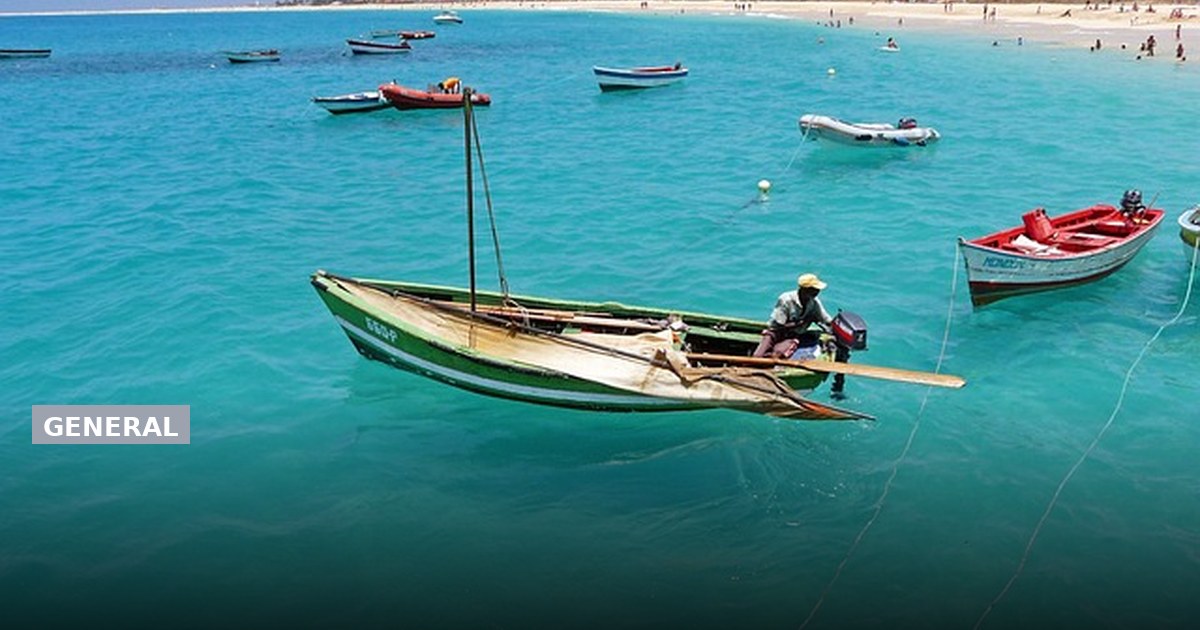
Cabo Verde, an island nation off the coast of West Africa, provides a more remote and relaxed atmosphere with stunning volcanic landscapes, pristine beaches, and a unique Creole culture, but with less developed tourism infrastructure and longer travel times from Europe. The single biggest difference is that Spain delivers a familiar, cosmopolitan European vacation with endless variety, while Cabo Verde offers an off-the-beaten-path island escape with authentic cultural immersion and dramatic natural beauty.Key Differences at a Glance
| Criteria | Spain | Cabo Verde |
|---|---|---|
| Travel Time from Major Hubs | 2-3 hours from most European cities; 7-9 hours from US East Coast | 4-6 hours from Europe; 10-14 hours from US with connections |
| Cost of Living (Daily Budget) | Moderate to high; €80-150 per day for mid-range travel | Moderate; €60-100 per day for mid-range travel |
| Beach Quality | Excellent Mediterranean and Atlantic beaches; crowded in peak season | Pristine, uncrowded volcanic sand beaches; strong winds on some islands |
| Cultural & Historical Sites | Extensive: Roman ruins, Gothic cathedrals, Moorish palaces, modern art museums | Limited: Colonial architecture in Mindelo and Praia; UNESCO-listed Cidade Velha |
| Language Barrier | Spanish widely spoken; English common in tourist areas | Portuguese-based Creole; some French and English in tourist zones |
| Infrastructure & Accommodation | Highly developed; luxury hotels, budget hostels, excellent public transport | Developing; quality varies by island; rental cars recommended for exploration |
Who Should Choose Spain
Spain is the ideal choice for travelers seeking a classic European vacation with abundant cultural attractions, diverse landscapes, and reliable infrastructure. The country suits history enthusiasts who want to explore Roman aqueducts in Segovia, Moorish palaces in Granada, and Gothic cathedrals in Barcelona.
Food lovers will appreciate Spain's renowned culinary scene, from tapas bars in Madrid to pintxos in San Sebastián and paella in Valencia. Families benefit from Spain's extensive children's attractions, including theme parks like PortAventura, kid-friendly museums, and safe beaches with lifeguards and amenities.Budget-conscious travelers can find affordable accommodations in hostels and budget hotels, especially in smaller cities, while luxury seekers have access to world-class resorts in Marbella, Ibiza, and the Canary Islands. Spain also works well for first-time international travelers because of its familiar European environment, efficient public transport (high-speed trains connect major cities), and widespread English signage in tourist areas.However, travelers should expect crowds in popular destinations like Barcelona, Madrid, and the Costa del Sol, particularly during summer months and holidays.Who Should Choose Cabo Verde
Cabo Verde is perfect for adventurous travelers seeking an authentic island escape away from mass tourism. The archipelago appeals to nature lovers who want to hike volcanic peaks on Fogo, witness sea turtle nesting on Sal, and explore lunar-like landscapes on Santo Antão.
Divers and snorkelers will find excellent underwater visibility, vibrant marine life, and shipwrecks around Sal and Boa Vista. Cultural travelers interested in African diaspora history and Creole music (morna and coladeira) will appreciate Cabo Verde's unique blend of Portuguese and West African influences.The islands suit travelers who value relaxation over sightseeing—the pace here is slow, and the beaches are uncrowded. Budget-conscious travelers can find affordable guesthouses and local restaurants, though luxury options are limited compared to Spain.Cabo Verde is less suitable for travelers with mobility issues, as many attractions require walking on uneven terrain, and public transport is limited. The islands also work for repeat visitors to Europe who want something different—a tropical destination with a distinct cultural identity that isn't the Caribbean or Southeast Asia.However, travelers should be prepared for limited medical facilities, occasional water shortages on some islands, and the need for patience with slower service.Head-to-Head Breakdown
Climate and Best Time to Visit
Spain has a Mediterranean climate with hot, dry summers and mild, wet winters, though regional variations exist—the north is cooler and rainier, while the south and Mediterranean coast are warmer. The best time to visit Spain is spring (March-May) and fall (September-November) when temperatures are pleasant and crowds are thinner.
Summer (June-August) can be extremely hot in inland cities like Madrid and Seville, with temperatures exceeding 40°C. Cabo Verde has a tropical climate with a dry season (November-June) and a rainy season (July-October).The islands enjoy year-round warmth, with average temperatures around 24-27°C. The best time to visit Cabo Verde is between November and June, when the Harmattan winds bring clear skies and comfortable temperatures.Both destinations are suitable for winter sun seekers, but Cabo Verde offers more reliable warmth during European winters (December-February) without extreme heat. Winner: Cabo Verde for consistent tropical warmth; Spain for seasonal variety and shoulder-season comfort.Beaches and Water Activities
Spain's coastline stretches over 4,900 km, of
Culture, History, and Activities
Spain offers an unparalleled depth of cultural attractions: the Alhambra in Granada, Sagrada Familia in Barcelona, Prado Museum in Madrid, and countless UNESCO World Heritage sites. Activities range from flamenco shows in Seville to wine tours in Rioja and skiing in the Pyrenees.
Cabo Verde's cultural offerings are more modest but distinctive: colonial architecture in Mindelo's historic center, the UNESCO-listed Cidade Velha (the oldest European settlement in the tropics), and vibrant music festivals like the annual Baía das Gatas festival. Activities center on nature: hiking Fogo volcano, visiting the salt flats on Sal, and exploring the dramatic landscapes of Santo Antão.Cabo Verde lacks the density of museums, galleries, and historical sites that Spain offers. Winner: Spain for cultural richness and variety of activities.Food and Dining
Spanish cuisine is globally renowned, with regional specialties like paella from Valencia, pintxos from the Basque Country, gazpacho from Andalusia, and jamón ibérico. Dining options range from casual tapas bars to Michelin-starred restaurants, and food is an integral part of the travel experience.
Cabo Verde's cuisine is simpler but flavorful, featuring fresh seafood (grilled tuna, lobster, and octopus), staple dishes like cachupa (a hearty stew of corn, beans, and fish or meat), and tropical fruits. Dining is more informal, with local eateries and beachside grills; fine dining is limited to a few hotels.Cabo Verde offers a unique culinary experience but lacks Spain's depth and diversity. Winner: Spain for culinary excellence and variety.Transportation and Getting Around
Spain has an excellent transportation network: high-speed AVE trains connect Madrid, Barcelona, Seville, and Valencia; extensive bus routes cover smaller towns; and domestic flights serve the Canary and Balearic Islands. Public transport is reliable, affordable, and easy to navigate.
Cabo Verde's inter-island transport relies on ferries and domestic flights, which can be delayed or canceled due to weather. On individual islands, public buses are infrequent, and renting a car is recommended for exploring.Roads vary from paved highways on Sal and Santiago to rough tracks on Santo Antão. Winner: Spain for convenience and reliability; Cabo Verde requires more planning and flexibility.Safety and Accessibility
Both destinations are generally safe for tourists, but Spain has higher rates of petty crime like pickpocketing in crowded tourist areas. Cabo Verde has lower crime rates overall, with most incidents involving minor theft.
Spain is more accessible for travelers with disabilities, with wheelchair-friendly public transport, accessible hotels, and ramps at major attractions. Cabo Verde has limited accessibility, with few wheelchair-accessible facilities and challenging terrain.Winner: Spain for safety infrastructure and accessibility; Cabo Verde for overall low crime rates.Buying Criteria for This Category
Travel Adapter for Spain and Cabo Verde
When selecting a travel adapter for these destinations, consider that both Spain and Cabo Verde use the European standard Type C and Type F plugs (two round pins) with a voltage of 220-240V and frequency of 50Hz. A universal travel adapter with multiple plug types is recommended if you plan to visit other countries on the same trip.
Look for adapters with built-in USB ports for charging phones and tablets, surge protection for sensitive electronics, and a compact design for easy packing. Some adapters also include a voltage converter if your devices don't support dual voltage (check device labels—most modern electronics do).For Spain and Cabo Verde, a simple Type C/F adapter is sufficient, but a universal one offers flexibility for future travel.Spanish Phrase Book for Travelers
In Spain, a Spanish phrase book is useful for communicating outside tourist zones, especially in rural areas and smaller towns where English is less common. In Cabo Verde, the official language is Portuguese, but the local Creole (Crioulo) is widely spoken; Spanish is not commonly understood.
However, a Spanish phrase book can still help if you know some Spanish, as Portuguese and Spanish share similarities. Look for phrase books that include essential phrases for dining, transportation, emergencies, and cultural etiquette.Consider a pocket-sized edition with a durable cover and spiral binding for easy reference. Digital phrase book apps with audio pronunciation are also convenient alternatives.For Cabo Verde specifically, a Portuguese phrase book is more practical than Spanish.Lightweight Packable Beach Towel
A lightweight packable beach towel is essential for both destinations, especially if you plan to visit multiple beaches or islands. For Spain's Mediterranean beaches, a mid-sized towel (140x70 cm) works well for sunbathing and drying off.
For Cabo Verde's windy beaches, a larger towel (180x90 cm) helps block sand and wind. Choose a quick-dry microfiber towel that absorbs water efficiently and dries within hours.Look for towels with antimicrobial treatment to prevent odors, a carry bag with a waterproof compartment for wet storage, and reinforced edges for durability. For Cabo Verde, a sand-resistant towel with a fine weave is beneficial for windy conditions.Weight matters: aim for under 300 grams for easy packing. Both destinations benefit from a towel that compresses to the size of a soda can.
Final Verdict
If your vacation priorities include exploring world-class museums, dining at Michelin-starred restaurants, and enjoying reliable infrastructure with efficient public transport, choose Spain. Spain offers unmatched cultural density, a wide range of activities, and comfortable travel for families, couples, and solo travelers alike.
If you prefer uncrowded beaches, dramatic volcanic landscapes, and an authentic island experience away from mass tourism, choose Cabo Verde. Cabo Verde rewards adventurous travelers who appreciate slow travel, unique Creole culture, and natural beauty over convenience.For a first international trip or a short vacation (under a week), Spain is the better choice due to shorter travel times and easier navigation. For a longer trip (two weeks or more) focused on relaxation and nature, Cabo Verde provides a more immersive escape.Budget-conscious travelers will find cheaper daily costs in Cabo Verde, but must factor in higher airfare and limited accommodation options. Ultimately, Spain is the safe, reliable choice for a classic vacation, while Cabo Verde is the adventurous choice for those seeking something different.Frequently Asked Questions
Are Spain and Cabo Verde safe for solo female travelers?
Both destinations are generally safe for solo female travelers. Spain has higher rates of petty crime like pickpocketing, but violent crime is rare.
Cabo Verde has very low crime rates, but travelers should exercise standard precautions, especially at night and in isolated areas. In both destinations, staying in well-lit areas, securing valuables, and using reputable accommodations are recommended.Do I need a visa for Spain or Cabo Verde as a US citizen?
US citizens do not need a visa for tourist stays up to 90 days in Spain (part of the Schengen Area) or Cabo Verde. For Spain, ensure your passport is valid for at least three months beyond your planned departure from the Schengen Area.
For Cabo Verde, you may need to obtain a tourist visa on arrival or apply online through the Cabo Verde government's e-visa system, depending on your nationality. Always check current requirements before travel.What is the best way to get between islands in Cabo Verde?
The best way to travel between islands is by domestic flights, which are relatively affordable and quick (30-60 minutes per flight). Cabo Verde Airlines and local carriers like Binter serve the main islands.
Ferries are available but slower and less reliable, with schedules subject to weather conditions. For exploring multiple islands, consider booking a combined flight and accommodation package.Can I use my mobile phone in Spain and Cabo Verde?
In Spain, most European and US carriers offer roaming, but check with your provider for international data plans. Cabo Verde has limited mobile coverage, especially on smaller islands and rural areas.
Local SIM cards are available at airports and shops in both destinations. For Cabo Verde, consider purchasing a local SIM from CVMóvel for reliable data.Wi-Fi is widely available in Spanish hotels and cafes but less reliable in Cabo Verdean guesthouses.What is the local currency in Cabo Verde, and can I use credit cards?
Cabo Verde's currency is the Cape Verdean Escudo (CVE), pegged to the euro. Credit cards are accepted in hotels, larger restaurants, and tour operators on Sal and Boa Vista, but cash is essential for smaller establishments, local transport, and markets.
ATMs are available in Praia, Mindelo, and Sal, but may be scarce on other islands. In Spain, euros are used, and credit cards are widely accepted everywhere, including small shops.Always carry some cash for emergencies.What should I pack for a trip to Cabo Verde compared to Spain?
For Spain, pack lightweight clothing for summer, a light jacket for cooler evenings, comfortable walking shoes for city exploration, and swimwear for beaches. For Cabo Verde, pack similar items but add a windbreaker for windy beaches, sturdy hiking shoes for volcanic terrain, sunscreen with high SPF (the sun is intense), and insect repellent for evenings.
Both destinations require a travel adapter (Type C/F), a lightweight towel, and a reusable water bottle.Source & Selection Notes
This comparison is based on publicly available travel information, including destination guides from the FIFA World Cup 2026 schedule (June 15, 2026 match between Spain and Cabo Verde at Mercedes-Benz Stadium in Atlanta), general travel knowledge about both destinations, and standard travel product specifications. No third-party review sites, travel blogs, or user reviews were used.
Product recommendations for travel adapters, phrase books, and towels are based on common specifications for these categories, not on testing or personal experience. Travel conditions, visa requirements, and safety information are subject to change; readers should verify current conditions with official government sources before booking.For the most up-to-date information on travel requirements, check the US State Department website or the relevant embassy websites.