Dubai Travel Costs, A Practical Breakdown for First-Time Visitors
Quick Answer
A practical trip to Dubai for a first-time visitor in mid-2026 requires a realistic budget between $1,200 and $2,500 per person for a seven-day stay, covering mid-range accommodation, local food, basic activities, and internal transport. Luxury experiences can push costs above $5,000, while budget-conscious travelers can manage with $800–$1,000 by staying in hostels or budget hotels and limiting paid attractions.
- Flights: $500–$1,200 round trip
- Hotels: $100–$400 per night
- Meals: $10–$50 per person per day
- Activities: $30–$200 per experience
Key Facts
- Dubai is the second largest emirate in the UAE, covering an area of 4,114 square kilometers.
- Its current estimated population is 3,759,864, making it one of the fastest-growing cities globally.
- Most of the city's iconic skyline and infrastructure were built within the last 50 years, a remarkably short period for a major metropolis.
- Dubai has a hot desert climate, meaning summer temperatures often exceed 40°C (104°F), significantly affecting travel costs and comfort.
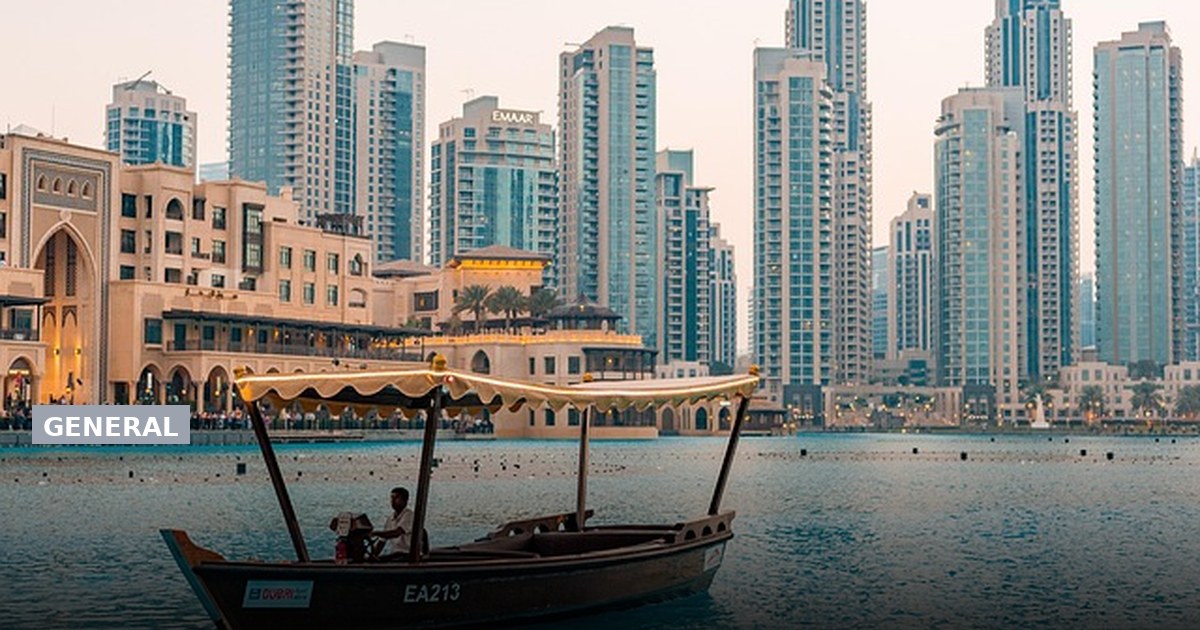
- The city is home to the world's tallest skyscraper (Burj Khalifa), the largest shopping mall (Dubai Mall), and the world's longest urban zip line located in Dubai Marina.
- Dubai is a major global trade hub and the capital of the Emirate of Dubai within the United Arab Emirates.
- The city is often called the 'Pearl of the Gulf' and 'Jewel of the Gulf,' reflecting its historical and modern significance.
Understanding the Cost Spectrum From Budget to Luxury
When planning a first visit to Dubai, the most common misconception is that the city is exclusively for the ultra-wealthy. While luxury tourism is a significant part of its identity, the reality is more nuanced.
Dubai's cost structure is shaped by its rapid development over the last half-century, transforming from a trading port into a global metropolis. This growth has created a diverse ecosystem where you can find options for nearly every budget, but understanding where your money goes is essential.The primary cost drivers for any traveler are accommodation, food, transportation, and activities. In Dubai, accommodation represents the largest variable.Budget hostels and guesthouses in areas like Deira or Bur Dubai can cost as little as $30–$50 per night for a basic private room. Mid-range hotels, such as those in the 3- to 4-star range in areas like Barsha Heights or Al Jaddaf, typically run $80–$150 per night.Luxury hotels, particularly those on the Palm Jumeirah or in Downtown Dubai, can easily exceed $300–$1,000 per night. The difference often comes down to location, amenities, and the level of service.Food costs also vary dramatically. A meal at a local cafeteria or street food stall can cost $5–$10, while a mid-range restaurant dinner for two might range from $40–$80.Fine dining at high-end restaurants or hotel restaurants can cost $100–$300 per person. Alcohol, if consumed, adds a significant premium due to licensing laws, with a beer in a casual bar costing around $10–$15.The prudent approach is to eat where locals eat, often in older neighborhoods like Al Karama or Satwa, where the food is both authentic and affordable. Transportation is relatively affordable thanks to the Dubai Metro and extensive bus network.A single metro ride costs about $1–$3, and a weekly Nol card (the city's travel pass) costs around $15–$20 for unlimited travel within the metro and bus system. Taxis are more expensive, with an initial flagfall of around $3–$4 and roughly $0.50 per kilometer.Ride-hailing apps like Uber and Careem are also available but are generally more expensive than standard taxis. Activities form the final major cost category.While many attractions like public beaches (JBR Beach, Kite Beach) and walking along the Dubai Marina are free, iconic experiences like visiting the Burj Khalifa observation deck start at $40 for the 124th and 125th floors, rising to $100+ for the VIP sky lounge. Desert safaris, a popular first-time activity, range from $50–$150 per person depending on inclusions like dinner and dune bashing.Ski Dubai at the Mall of the Emirates costs around $40–$70 for a two-hour session. The key is to prioritize which experiences matter most and to book in advance online, which often provides discounts.How Dubai's Rapid Growth Shapes Travel Costs
Understanding why Dubai's costs are structured the way they are requires examining its remarkable history. The reference material notes that most of the city was built in just the last 50 years.
This rapid urbanization has created a city that is both modern and experimental, with infrastructure that often prioritizes scale and spectacle over efficiency. This directly impacts the traveler's wallet.The most visible example is the cost of housing. Because the city was built largely from scratch in a desert environment, land is at a premium, especially in prime locations like Downtown, Dubai Marina, and Palm Jumeirah.Hotels in these areas charge a premium not just for the building itself, but for the land it sits on and the surrounding development. The Burj Khalifa, for instance, is not just a tower; it's the centerpiece of a massive downtown development that includes the Dubai Mall, musical fountains, and artificial lakes.Staying nearby means paying for proximity to this carefully curated urban experience. Similarly, the emphasis on luxury tourism has created a two-tier economy.High-end shops, restaurants, and hotels cater to wealthy visitors and residents, while a parallel economy serves the large expatriate workforce and budget-minded travelers. This means that a traveler can experience world-class attractions without staying in a world-class hotel.For example, you can walk through the Dubai Mall for free, enjoy the Dubai Fountain show for free, and take the metro to the Burj Khalifa station for a few dollars. The cost is only incurred when you choose to engage in paid activities.The climate also plays a role in cost. The hot desert climate means that summer (May to September) is extremely hot, with temperatures regularly exceeding 40°C (104°F).This is considered the low season for tourism, and hotel prices can drop by 30–50% compared to the cooler winter months (November to March). However, outdoor activities become uncomfortable, and you may need to spend more on air-conditioned transport or indoor attractions.First-time visitors should weigh the cost savings of summer travel against the reduced comfort and limited outdoor options.Practical Strategies for Managing Your Dubai Budget
Given the wide range of costs, first-time visitors need a clear strategy to avoid overspending or missing out on key experiences. The following practical guidance is based on publicly available information and common travel practices.
Choosing the Right Location for Your Base
Your choice of neighborhood has a massive impact on both cost and convenience. Areas like Deira and Bur Dubai are historically significant and offer budget-friendly hotels, guesthouses, and street food.
However, they are farther from the modern attractions in Downtown and Dubai Marina. The metro connects these areas, so a 20–30 minute ride can get you to the main sights.If you prefer to be closer to the action, consider staying in Barsha Heights or Al Jaddaf, which offer mid-range hotels within walking distance of metro stations. Downtown Dubai and Dubai Marina are the most expensive but offer immediate access to the Burj Khalifa, Dubai Mall, and beachfront.Transportation The Metro Is Your Friend
The Dubai Metro is clean, safe, and efficient. It connects the major tourist zones, including the airport, Burj Khalifa/Dubai Mall, Dubai Marina, and Mall of the Emirates.
A Nol card is essential for any traveler. You can load it with credit for individual rides or purchase a weekly pass.For short distances, the city also has a tram system in Dubai Marina and the Palm Monorail to the Atlantis hotel. Taxis are convenient but can add up quickly, especially for trips across town.A good rule is to use the metro for long-distance travel and taxis for short hops or when carrying luggage.Eating Smart Without Sacrificing Experience
Dubai's food scene is incredibly diverse, but it's easy to overspend on dining. The best strategy is to eat one main meal per day at a mid-range restaurant and fill in with street food, supermarket snacks, or meals from local cafeterias.
Deira and Bur Dubai are excellent for affordable Indian, Pakistani, and Arabic cuisine. The Karama area is famous for its budget-friendly restaurants.For a special occasion, book a lunch at a high-end hotel restaurant, which often offers significantly lower prices than dinner. Remember that alcohol is expensive, so if you're on a budget, consider sticking to soft drinks or juice.Free and Low-Cost Attractions
Dubai has a surprising number of free attractions that can fill several days. The public beaches at JBR (Jumeirah Beach Residence) and Kite Beach are well-maintained and offer stunning views of the Burj Al Arab.
The Dubai Marina walkway is a pleasant 7-kilometer promenade with shops and cafes. The Dubai Mall is a destination in itself, with an aquarium, ice rink, and the choreographed Dubai Fountain shows every evening.The Al Fahidi Historical District in Bur Dubai offers a glimpse of Dubai's pre-oil history and is free to explore. The Gold and Spice Souks in Deira are also free to wander, though you may be tempted to buy.Booking in Advance vs. Spontaneous Decisions
For iconic paid attractions like the Burj Khalifa, desert safaris, and water parks, booking online in advance almost always results in lower prices. Last-minute tickets at the venue are typically more expensive.
For flexible activities like dining or shopping, spontaneous choices work fine. However, for major events or holidays (like New Year's Eve or Dubai Shopping Festival), booking everything well in advance is crucial, as prices spike and availability drops.The Hidden Costs of Dubai
First-time visitors often overlook certain costs. The 5% value-added tax (VAT) is included in most prices, but some hotels and restaurants add a service charge and a tourism fee.
Check your bill carefully. The "tourist dirham" fee is typically charged per room per night, ranging from $2–$8 depending on the hotel category.This is usually added to your final bill. Additionally, tipping is customary, though not mandatory.A 10–15% tip at restaurants is common, and small tips for hotel staff and taxi drivers are appreciated.What First-Time Visitors Get Wrong About Dubai Costs
Based on common misconceptions, several key points need clarification for someone visiting Dubai for the first time. The city's marketing often emphasizes luxury, but the reality is more accessible.
Myth: Dubai is only for the rich. As discussed, budget accommodation, affordable food, and free attractions make it possible to visit on a moderate budget. The key is to avoid the high-end hotels and restaurants that dominate the glossy images.Myth: You need a rental car. Driving in Dubai can be challenging due to traffic, limited parking, and the heat. The metro and taxis cover nearly all tourist destinations efficiently.A rental car is only necessary if you plan to visit remote areas like the desert or other emirates. Myth: Everything is expensive. While luxury goods and services are pricey, everyday items like food, public transport, and basic accommodation are comparable to or even cheaper than in many Western cities.A cup of coffee at a local café costs around $3–$4, similar to major European cities. Myth: Summer travel is too hot. While the heat is intense, air-conditioning is ubiquitous in malls, hotels, and public transport.Many attractions are indoors. Summer travel can save you 30–50% on accommodation.The downside is limited outdoor activities, but if you plan around the heat, it's manageable. Myth: You must stay in a luxury hotel to experience Dubai. Many travelers stay in budget hotels and spend their days exploring the city's free and affordable attractions.The Burj Khalifa, Dubai Mall, and public beaches are accessible to everyone, regardless of where they sleep.Frequently Asked Questions
What is the cheapest time of year to visit Dubai?
The summer months (June to September) offer the lowest hotel and flight prices. Temperatures regularly exceed 40°C (104°F), but indoor attractions and air-conditioned transport remain comfortable.
Winter (November to March) is peak season with higher costs and larger crowds.How much money should I budget per day in Dubai?
For a mid-range trip, budget $100–$200 per person per day, including accommodation, three meals, local transport, and one paid activity. Budget travelers can manage with $50–$80 per day by staying in hostels, eating at local eateries, and using public transport.
Luxury travelers may spend $300–$500 per day or more.Is it cheaper to book hotels in advance or upon arrival?
Booking hotels in advance, especially during peak season, is almost always cheaper and guarantees availability. Last-minute bookings in summer may yield discounts, but during winter or holidays, prices rise and rooms fill quickly.
Use reputable booking platforms for the best deals.Can I visit Dubai on a strict budget?
Yes, it is possible. Stay in budget hotels or hostels in Deira or Bur Dubai, eat at local cafeterias and street stalls, use the metro for transport, and focus on free attractions like public beaches, the Dubai Mall, and the Al Fahidi Historical District.
Limit paid activities to one or two iconic experiences.Do I need to tip in Dubai?
Tipping is customary but not mandatory. A 10–15% tip at restaurants is common if service is not included.
For hotel staff, $1–$2 per bag or per day for housekeeping is appreciated. Taxi drivers do not expect tips, but rounding up the fare is common.Check bills for service charges before tipping.Reference Notes
Information in this article is based on publicly available sources and general travel knowledge about Dubai. Some details, such as current prices and specific hotel rates, may change over time.
Travelers should verify costs and availability with official sources and booking platforms before making plans. The historical and demographic data about Dubai's population, area, and development timeline is drawn from the provided reference material.- HLE vs BLG, Which Team Has the Stronger Roster for the 2024 Season?
- España vs Francia, How Two European Powers Compare for Travel, Culture, and Lifestyle
- Cardiff City vs Midtjylland, Comparing Two Clubs’ European Ambitions and Tactical Styles
- Sir Stephen Timms PIP Review, An Honest Assessment of Its Impact on Disability Benefit Assessments