British Airways Flight BA284 Birmingham Diversion, What Happened and Why
Quick Answer
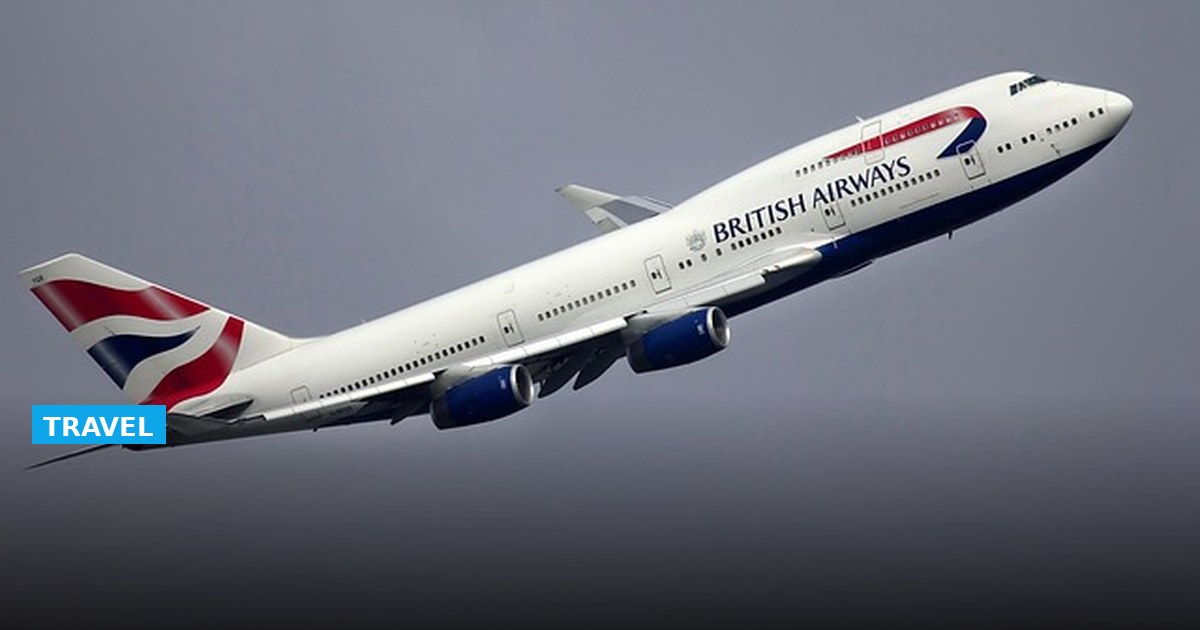
British Airways flight BA284 from San Francisco to London Heathrow diverted to Birmingham Airport on June 27, 2026, after encountering storms and an unspecified issue that prevented landing at Heathrow. The Airbus A380, registration G-XLEE, landed safely in Birmingham around 11am local time.
Key Facts
- Flight BA284 departed San Francisco International Airport at approximately 4pm local time on Friday, June 26, 2026
- The aircraft was an Airbus A380 superjumbo, registration G-XLEE
- The flight was scheduled to land at London Heathrow Airport
- The aircraft circled over Manchester before diverting to Birmingham Airport
- Landing at Birmingham occurred around 11am on Saturday, June 27, 2026
- The aircraft landed safely with no reported injuries
- After the diversion, the plane later continued to London Heathrow
- Storms were reported in the London area at the time of the diversion
- Some sources indicate a medical emergency may have contributed to the diversion
- The exact reason has not been officially confirmed by British Airways
What Led to the Diversion
Storms Over Southern England
On June 27, 2026, severe storms disrupted operations at London Heathrow, one of the world's busiest airports. Flight BA284, operating a long-haul route from San Francisco, encountered these conditions as it approached the UK.
The storms made Heathrow temporarily unable to accept incoming aircraft, forcing the pilots to seek an alternative landing site. The decision to divert to Birmingham rather than another airport was strategic.Birmingham Airport, located approximately 100 miles northwest of Heathrow, had available capacity and was outside the worst of the storm system. The aircraft circled over Manchester—roughly 90 miles north of Birmingham—before turning south toward its diversion airport.This holding pattern suggests air traffic control was coordinating the diversion while managing other affected flights.The Unspecified Issue
While storms are the most commonly cited factor, multiple sources note that the exact reason for the diversion remains unclear. One report explicitly states that there is "no official confirmation that weather or congestion alone caused BA284's diversion, or was even a factor." This ambiguity suggests that the diversion may have involved multiple factors working together.
Storms alone would typically result in holding patterns or diversions to nearby airports like Gatwick, Stansted, or Luton. The fact that BA284 traveled as far north as Manchester before diverting to Birmingham indicates that the situation was more complex.Weather may have been the initial trigger, but another issue—possibly a medical emergency—may have accelerated the decision to land as quickly as possible.Medical Emergency Reports
A YouTube video documenting the aircraft's departure from Birmingham the following day states that the diversion was "as a medical emergency." This aligns with the aircraft's unscheduled stop at Birmingham, which is not a typical diversion airport for an A380 due to its runway length requirements and infrastructure. Birmingham Airport's main runway is 2,440 meters (8,005 feet) long, which is sufficient for the A380 but provides less margin than Heathrow's longer runways.
A medical emergency would justify the urgency of landing at a non-primary diversion airport, especially if the patient needed immediate ground medical attention.How the Diversion Unfolded
The Aircraft's Route
Flight BA284 departed San Francisco International Airport at approximately 4pm local time on June 26. The flight duration from San Francisco to London is typically around 10-11 hours, placing the aircraft over the UK early on Saturday morning.
According to tracking data, the A380 initially approached the London area before being redirected north toward Manchester. The aircraft circled over Manchester—a pattern that lasted for some time—before turning south and landing at Birmingham Airport around 11am.This route deviation added significant flight time and fuel consumption, but ensured a safe landing under challenging conditions.Birmingham Airport's Response
Birmingham Airport is not a primary diversion airport for A380 operations, but it has handled the type before on rare occasions. The airport's ground staff would have needed to coordinate with British Airways and local emergency services to prepare for the unscheduled arrival.
Given that the aircraft was reportedly carrying passengers from a long-haul flight, the airport likely arranged for customs and immigration processing, as well as ground transportation for those continuing to London. The airport also had to manage the aircraft's departure for its onward flight to Heathrow.Video footage shows G-XLEE departing Birmingham on June 27, indicating that the diversion was resolved within a day.Passenger Experience
For passengers on board, the diversion meant an unexpected stop in Birmingham instead of arriving at Heathrow. Long-haul flights from San Francisco typically arrive at Heathrow's Terminal 5, British Airways' main hub.
A diversion to Birmingham involves significant logistical challenges: passengers must either wait for the aircraft to continue to Heathrow or arrange alternative ground transport. British Airways likely provided coach transfers or rail vouchers for passengers who chose not to wait for the onward flight.The airline would also have needed to manage baggage handling and rebooking for those with connecting flights from Heathrow.Why This Diversion Matters
The A380's Operational Constraints
The Airbus A380 is a unique aircraft in commercial aviation. Its size—with a maximum takeoff weight of 575 tonnes and a wingspan of 79.75 meters—limits the airports it can use.
Birmingham Airport is not designed as a regular A380 destination, so this diversion demonstrates the aircraft's ability to operate from smaller airports when necessary. The A380's diversion also highlights the importance of airport compatibility planning.Airlines typically have pre-approved diversion airports for their aircraft types, but unforeseen circumstances can force landings at airports that rarely see such large planes. Birmingham's ability to handle the A380 reflects its investment in infrastructure for wide-body aircraft.Weather-Related Disruptions at Heathrow
London Heathrow is notoriously susceptible to weather disruptions. The airport's two runways are closely spaced, meaning crosswinds and low visibility can quickly reduce capacity.
Storms, like those on June 27, 2026, can force the airport to operate at reduced capacity or close entirely. Heathrow's vulnerability to weather is a long-standing operational challenge.The airport handles over 80 million passengers annually, and even brief disruptions can cascade into widespread delays and diversions. BA284's diversion was not an isolated incident—other flights were likely affected on the same day.Medical Emergencies in Flight
Medical emergencies are a common reason for flight diversions, though they receive less public attention than technical issues or weather. In-flight medical events can range from minor ailments to life-threatening conditions requiring immediate hospital care.
When a medical emergency occurs, pilots must balance the urgency of landing with the aircraft's fuel state, available airports, and weather conditions. Diverting to Birmingham rather than continuing to Heathrow, even after storms cleared, suggests the medical situation required prompt attention.What Happens Next
British Airways' Aftermath
Following the diversion, British Airways would have conducted an internal review to understand the full sequence of events. The airline's safety management system would analyze flight data, crew reports, and air traffic control communications to identify any procedural improvements.
If a medical emergency was involved, the airline would also coordinate with medical authorities and the passenger's family. British Airways has not released any public statement beyond confirming the diversion occurred.Implications for Future Operations
This incident may prompt British Airways to review its diversion protocols for A380 operations, particularly for flights arriving during periods of known weather risk. The airline could also enhance coordination with Birmingham Airport to ensure smoother handling of any future diversions.
For passengers, the incident is a reminder that diversions are a normal safety procedure. While inconvenient, they reflect the aviation industry's commitment to prioritizing safety over schedule.Lessons for Travelers
Travelers flying into London Heathrow during storm season should be aware of the potential for diversions. Booking travel insurance, carrying essential items in carry-on luggage, and having flexible onward plans can reduce the impact of unexpected diversions.
Passengers on long-haul flights should also be prepared for medical emergencies. Informing the cabin crew of any health concerns before departure can help them prepare for potential issues.Frequently Asked Questions
What was the specific cause of BA284's diversion?
The exact cause has not been officially confirmed by British Airways. Multiple sources indicate that storms disrupted Heathrow operations and a medical emergency may have occurred.
The diversion likely resulted from a combination of factors rather than a single issue.Did the aircraft land safely in Birmingham?
Yes, the Airbus A380 landed safely at Birmingham Airport around 11am on June 27, 2026. There were no reported injuries to passengers or crew.
How long did the diversion delay the flight?
The aircraft circled over Manchester before diverting to Birmingham, then later continued to Heathrow. The total delay would depend on how long the aircraft remained on the ground in Birmingham before the onward flight.
Will the aircraft operate again after the diversion?
Yes, video footage shows G-XLEE departing Birmingham Airport on June 27, 2026. The aircraft continued to London Heathrow to complete its journey.
Could storms alone have caused the diversion?
While storms are the most commonly cited factor, official confirmation is lacking. Storms can disrupt Heathrow operations, but the decision to divert to Birmingham—rather than another London-area airport—suggests additional factors may have been involved.
Reference Notes
Information in this article is based on publicly available sources. Some details may change over time.
Verify with official sources before acting.