10 Peru Mistakes That Cost Travelers Time and Money (And How to Avoid Them)

Quick Answer
To avoid costly Peru travel mistakes in 2026, you must plan for political instability, book Machu Picchu tickets far in advance for April or October, and prepare for overcrowding. Ignoring the country’s volatile political climate and strict access rules will waste both time and money.
- Best for: Budget-conscious travelers and first-time visitors to Peru who want a smooth, safe trip without surprises.
- Key point: Over 1.5 million visitors were expected at Machu Picchu in 2025, and ticketing chaos plus political protests can derail any itinerary if not addressed.
- Bottom line: Buy a Peru Travel Guide to map routes, use a Travel Money Belt to protect cash during protests, and carry a Portable Water Filter Bottle to avoid buying expensive bottled water in crowded areas.
Why Political Turmoil in 2026 Demands Flexible Planning
The single biggest mistake travelers make is assuming Peru’s political landscape is stable. It is not.
As of June 2026, the country is in the middle of a critical election cycle following the ouster of President Dina Boluarte. In October 2025, Congress removed her via a vote of no confidence, and new elections were scheduled for April 2026.As of May 2026, left-wing candidate Roberto Sanchez is expected to face right-wing candidate Keiko Fujimori in a June runoff. This is not a minor footnote—it directly affects your safety and logistics.According to the BTI 2026 Peru Country Report, the period from February 2023 to January 2025 was defined by “the rise of clientelist policies, conservative values and congressional supremacy,” alongside “the defense of informal sectors.” The Human Rights Watch World Report 2025 documented that Congress passed laws in 2024 that “undermined judicial independence” and made it harder to investigate organized crime. Protests are not hypothetical—they are a recurring feature of daily life, as shown by a transport strike in Lima on October 23, 2024, demanding protection from extortion.| Political Event | Date | Impact on Travelers |
|---|---|---|
| Removal of President Dina Boluarte | October 2025 | Triggered protests, roadblocks, and flight disruptions |
| General election (first round) | April 12, 2026 | Heightened security, potential curfews in Lima |
| Presidential runoff (expected) | June 2026 | Ongoing uncertainty, possible demonstrations |
| 67 of 130 members of Congress under criminal investigation | As of May 2024 | Weakens institutional trust, raises risk of sudden policy changes |
What does this mean for you? Do not book non-refundable flights or rigid tours during election windows.
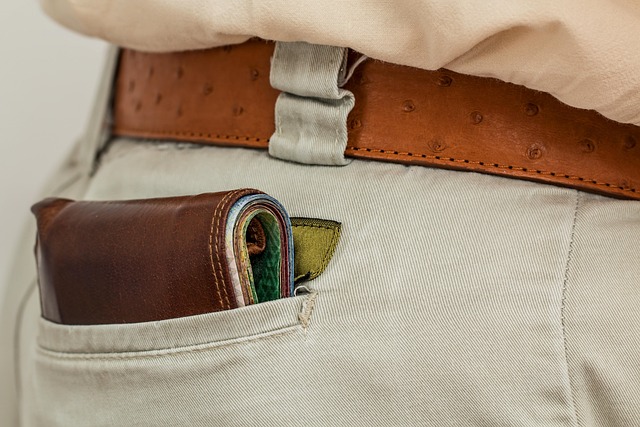
Keep a Travel Money Belt on you at all times—cash is king when ATMs run dry or banks close during protests. And always carry a Portable Water Filter Bottle so you’re not forced to buy overpriced water from vendors who may be absent during unrest.
The Real Cost of Not Booking Machu Picchu Early
Every year, thousands of travelers arrive in Cusco expecting to waltz up to Machu Picchu’s ticket counter. They are wrong.
In 2025, Machu Picchu welcomed 191,351 visitors in just January and February alone, and full-year estimates topped 1.5 million visitors. The result is a ticketing system that is both chaotic and restrictive.The best time to visit is April or October, when crowds are smaller, but even then, tickets sell out weeks in advance. The Peruvian government introduced new access rules in 2025 to manage overcrowding.| Month | Visitor Volume | Ticket Availability |
|---|---|---|
| January–February 2025 | 191,351 (partial) | High demand, sell out 3–4 weeks ahead |
| April (best time) | Lower than peak | Moderate, book 2–3 weeks ahead |
| October (best time) | Lower than peak | Moderate, book 2–3 weeks ahead |
| Peak season (June–August) | Very high | Sells out 6–8 weeks ahead |
The practical solution is simple: book your entry ticket as soon as your travel dates are confirmed. Use a Peru Travel Guide to identify the exact entry slot that fits your itinerary.
And while you’re at it, pack a Portable Water Filter Bottle—the water at Machu Picchu is not safe to drink, and buying disposable bottles adds up fast. The time and money you save by planning ahead will pay for your next excursion.Why You Should Avoid Peak Season at All Costs
It is tempting to visit Peru during June, July, or August because those months have the best weather. But the trade-off is brutal.
Over 1.5 million visitors were expected in 2025, and the bulk of them pack into the dry season. The result is overcrowded trails, long queues, and inflated prices for everything from hotels to bus tickets.Worse, the experience at Machu Picchu itself suffers—you’ll be jostling for photo spots and waiting in line for restrooms. The data backs this up.According to Machu Picchu tourism statistics, the site has seen a steady increase in visitors year over year, with no signs of slowing down. The “autumn/fall season,” specifically April and October, offers the sweet spot: fewer crowds and still decent weather.These months avoid the peak of the rainy season (November–March) and the tourist crush of summer.| Month | Crowd Level | Weather | Price Level |
|---|---|---|---|
| April | Low | Mild, occasional rain | Moderate |
| June–August | Very high | Dry, sunny | High |
| October | Low | Mild, occasional rain | Moderate |
| December–February | Moderate | Rainy, but fewer tourists | Low |
The mistake is chasing perfect weather at the expense of your enjoyment. If you must go in peak season, book everything—flights, hotels, tours, and Machu Picchu tickets—at least 60 days in advance.
And bring a Travel Money Belt to keep your passport and cash secure in crowded areas. The alternative is paying double for last-minute accommodation and standing in lines that eat half your day.The Hidden Costs of Ignoring Safety and Health Precautions
Peru is a developing country with real risks that many travelers underestimate. The political instability we covered earlier is just one layer.
The bigger issue is that travelers often skip basic precautions, and it costs them both time and money. For example, the water in Peru is not safe to drink.Many tourists end up buying bottled water daily, which adds up to $5–$10 per day—a significant expense over a two-week trip. Then there is crime.In 2024, Peru’s Congress passed a bill that narrowed the definition of “organized crime,” making it harder for prosecutors to investigate extortion and corruption. This means petty theft and scams are more common, especially in tourist-heavy areas like Miraflores in Lima or the Sacred Valley.A Travel Money Belt is not optional—it is a necessity. Keep your main cash, passport, and credit cards hidden, and only carry small amounts of local currency for daily expenses.| Risk | Common Mistake | Cost to Fix | How to Avoid |
|---|---|---|---|
| Unsafe tap water | Buying bottled water daily | $5–$10/day | Use a Portable Water Filter Bottle |
| Theft in crowded areas | Carrying wallet in back pocket | $50–$200+ | Use a Travel Money Belt |
| Altitude sickness | Flying directly to Cusco | $100+ for oxygen or clinic visit | Acclimate in Lima or Arequipa first |
| Scams (fake tours) | Booking on the street | $50–$500 | Use a reputable Peru Travel Guide |
The biggest hidden cost is time lost to illness or theft. A single day of food poisoning can cost you a Machu Picchu ticket you cannot refund.
A stolen passport means hours at the embassy. Do not learn this the hard way.Spend $20 on a water filter and $15 on a money belt. It is the cheapest insurance you will ever buy.How to Actually Save Money on Your Peru Trip
Let’s be blunt: most “budget” advice for Peru is useless because it ignores the real expense drivers. The biggest money wasters are last-minute bookings, unnecessary flights, and overpriced tours.
Here is how to cut costs without sacrificing experience. First, book your internal flights early.Peru is large, and flying between Lima, Cusco, and Arequipa is often unavoidable. Prices double within two weeks of departure.Second, skip the all-inclusive tours. They are often marked up 50% or more.Instead, buy a Peru Travel Guide and plan your own routes. The Inca Trail and Machu Picchu tickets are the only things you need to book through an operator—everything else can be done independently.Third, eat where locals eat. Tourist restaurants in Cusco and Lima charge triple for the same ceviche you can get at a market stall for $3.Use your Portable Water Filter Bottle to avoid buying drinks, and your total food cost drops to $10–$15 per day.| Expense | Tourist Price | Local Price | Savings |
|---|---|---|---|
| Machu Picchu ticket (last minute) | $150–$200 | $50 (advanced) | $100+ |
| Lunch in tourist zone | $15 | $3–$5 | $10 |
| Bottled water (daily) | $5–$10 | $0 (filtered) | $5–$10 |
| Guided tour (day trip) | $80 | $30 (self-guided) | $50 |
The bottom line: plan ahead, eat local, and filter your own water. These three actions alone can save you $300–$500 over a two-week trip.
That is a night at a nice hotel or a flight to the Amazon.Frequently Asked Questions
Is Peru safe to travel to in 2026?
Peru is generally safe for tourists who take precautions, but the political situation is volatile. The ouster of President Dina Boluarte in October 2025 and the ongoing election cycle through June 2026 mean protests and roadblocks can occur with little notice.
Stick to major tourist routes, avoid protest areas, and keep a Travel Money Belt for valuables. Check the Freedom House 2025 report for more on the country’s weakened institutions.How far in advance should I book Machu Picchu tickets?
Book at least 4–6 weeks in advance for peak season (June–August) and 2–3 weeks for April or October. In 2025, over 1.5 million visitors were expected, and tickets sell out quickly.
Use a Peru Travel Guide to find the best entry time for your schedule.What is the best time of year to visit Peru?
April and October are the best months for visiting Machu Picchu, offering fewer crowds and mild weather. Avoid June through August if you dislike crowds and high prices.
The rainy season (November–March) has lower prices but more rain, especially in the Andes.Do I need to worry about water quality in Peru?
Yes. Tap water is not safe to drink in Peru.
Instead of buying bottled water daily, carry a Portable Water Filter Bottle. It saves money and reduces plastic waste.Most hotels and restaurants use filtered water for cooking, but stick to filtered or bottled water for drinking.Can I visit Machu Picchu independently, or do I need a tour?
You can visit independently, but you must book your entry ticket in advance. The Inca Trail requires a guided tour, but the site itself can be explored on your own.
A Peru Travel Guide will help you navigate the ticketing system and plan transport from Cusco.Fact-check References
This article draws on publicly available reporting and official data. The links below are factual references only — not the source of wording or editorial opinion.
- https://www.vaticannews.va/en/world/news/2025-10/peru-political-situation-volati... — checked 2026-06-02
- https://bti-project.org/en/reports/country-report/PER — checked 2026-06-02
- https://en.wikipedia.org/wiki/Economy_of_Peru — checked 2026-06-02
- https://www.bbvaresearch.com/en/publicaciones/peru-economic-outlook-march-2025 — checked 2026-06-02
- https://www.state.gov/reports/2025-investment-climate-statements/peru — checked 2026-06-02
Affiliate Disclosure: This article contains affiliate links. If you purchase through these links, we may earn a small commission at no extra cost to you. We only recommend products we believe in.